
There are a lot of literacy websites out there.
Some are brilliant. Some are fine. Some look useful until you realise you have spent twenty minutes clicking around and still do not have anything you can actually use with your class.
So this is not a list of every English website on the internet.
It is a practical list of literacy websites that are worth having in your bookmarks. Some are great for writing ideas. Some are better for reading, grammar, spelling, vocabulary or oracy. Some are free. Some are freemium. Some are paid.
No affiliations. No paid placements. Just our favourites.
Quick answer
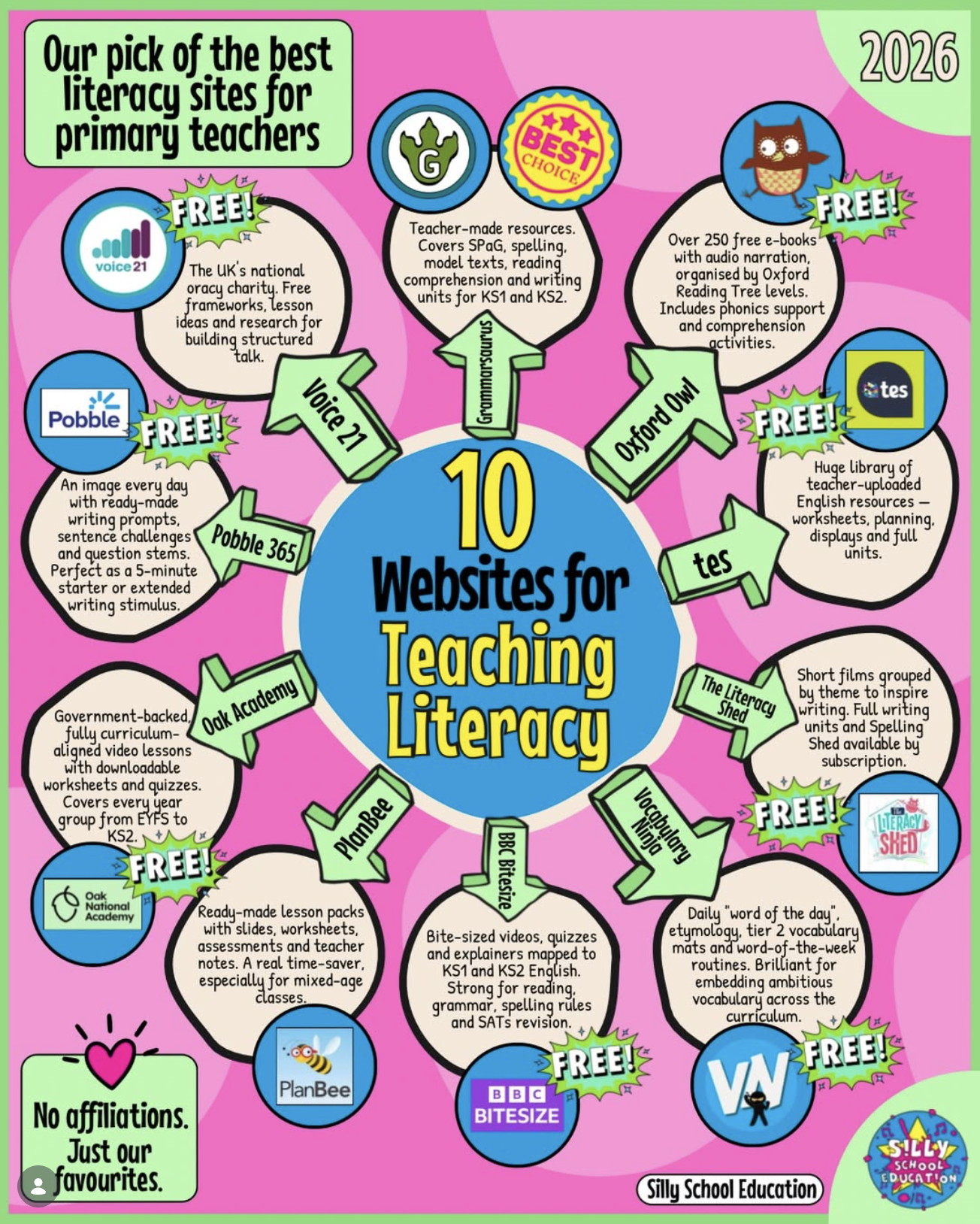
Some of the best literacy websites for primary teachers in 2026 include Voice 21, Pobble 365, Grammarsaurus, Oxford Owl, Tes Resources, Oak National Academy, PlanBee, BBC Bitesize, Vocabulary Ninja and The Literacy Shed. Together, they cover oracy, writing prompts, SPaG, reading, vocabulary, lesson planning and visual literacy.
What makes a literacy website actually useful?
A good literacy website should make teaching easier.
That sounds obvious, but it matters. Teachers do not need another beautiful resource that takes longer to adapt than it would have taken to make something from scratch.
The best sites usually do one or two things really well.
They might help you:
-
find a writing stimulus quickly
-
explain a grammar point clearly
-
support reading at home
-
build vocabulary into the week
-
plan a lesson sequence
-
give children something interesting to talk about
-
save time when you are planning in a hurry
The trick is knowing which website to use for which job.
A daily writing prompt is not the same as a full English unit. A vocabulary routine is not the same as a spelling lesson. A short film stimulus is not the same as a reading scheme.
That is why this list includes a mix.
1. Voice 21
Website: voice21.org
Good for: oracy, speaking and listening, classroom discussion
Voice 21 is a really useful place to start if your school is trying to take oracy seriously.
It is not a “quick worksheet” website. It is more about helping schools think properly about talk: how children discuss ideas, listen to each other, explain their thinking and use spoken language to support learning.
That makes it very relevant to literacy.
Before children write well, they often need to talk. They need to rehearse ideas, hear vocabulary, explain opinions, discuss characters, argue a point, or describe what they notice.
Voice 21 is especially useful for:
-
building better partner talk
-
improving whole-class discussion
-
developing speaking and listening routines
-
supporting children who need help explaining ideas
-
making talk feel purposeful rather than random
-
school-wide oracy development
If your school has been talking about oracy, this is one to bookmark.
2. Pobble 365
Website: pobble.com
Good for: daily writing prompts and quick writing starters
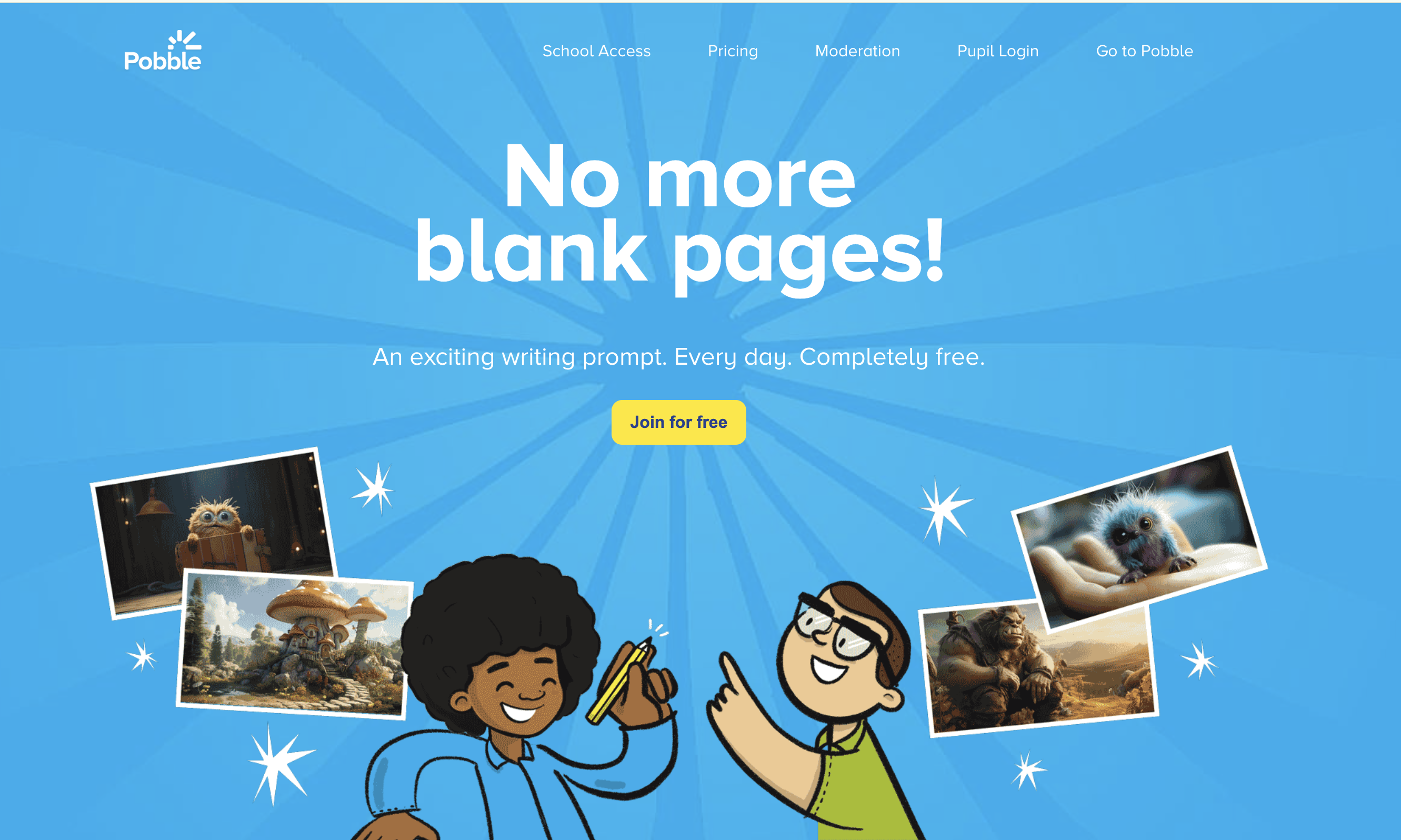
Pobble 365 is one of those websites that does a very simple job very well.
You get a picture prompt and a set of writing ideas around it. That might include questions, sentence starters, story ideas or discussion points.
It is useful because children often write better when they have something concrete to respond to. A strong image gives them a way in.
Pobble 365 works well for:
-
morning writing tasks
-
story starters
-
short bursts of creative writing
-
discussion before writing
-
inference questions
-
reluctant writers
-
“I don’t know what to write” moments
It is also handy when you need something quickly.
Not every writing task needs a huge setup. Sometimes you just need a good image, a few questions and ten minutes of focused writing.
3. Grammarsaurus
Website: grammarsaurus.co.uk
Good for: grammar, spelling, model texts, reading and writing resources
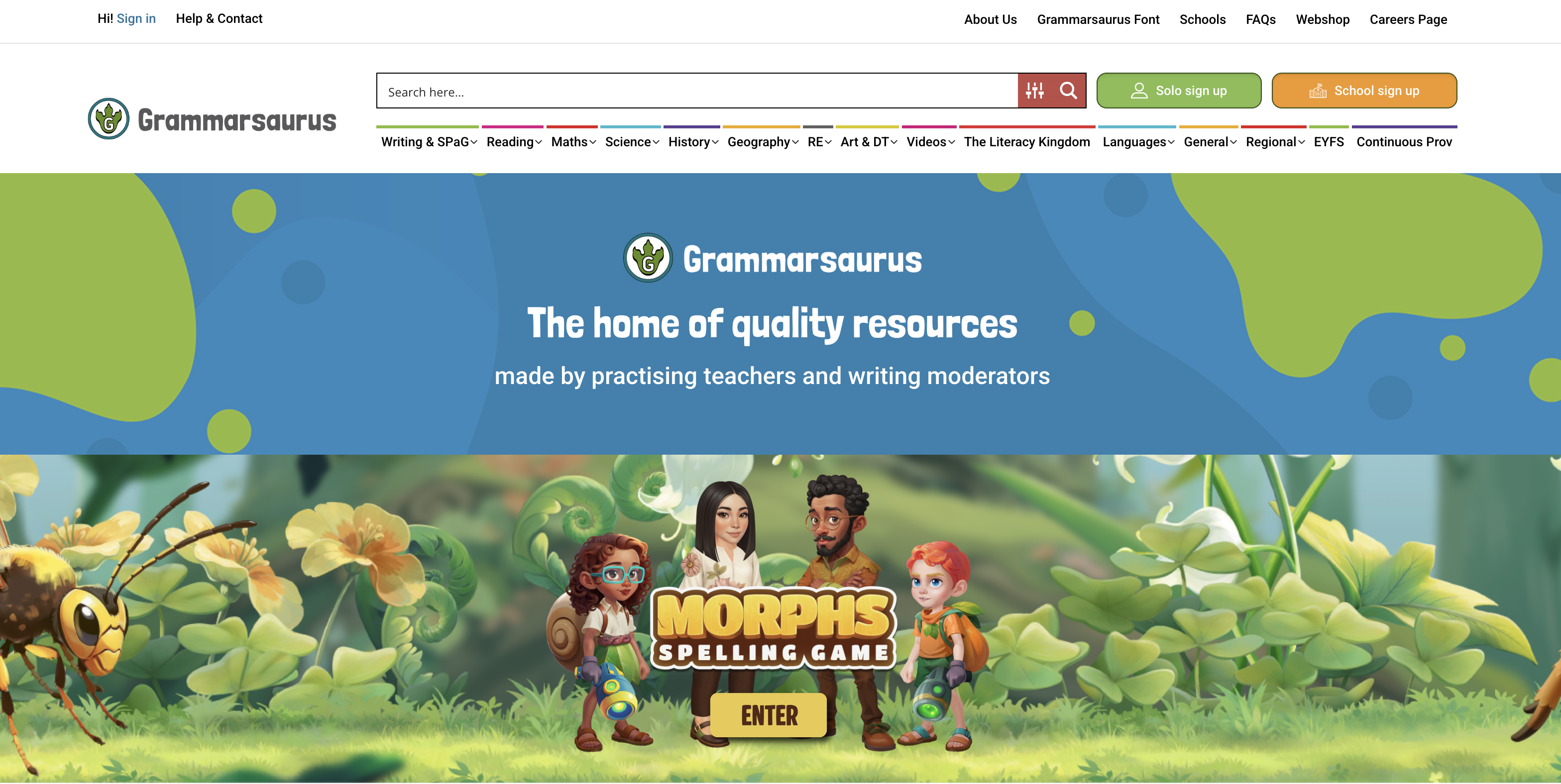
Grammarsaurus is popular with primary teachers for a reason.
It covers a lot of the English content teachers actually need: grammar, punctuation, spelling, reading, model texts and writing resources.
It can be especially helpful when you know the objective you need to teach but want a stronger starting point than a blank page.
For example, you might be looking for:
-
grammar explanations
-
SPaG resources
-
model texts
-
writing units
-
spelling resources
-
reading materials
-
subject knowledge support
One of the useful things about Grammarsaurus is that it feels like it has been made with real classrooms in mind. It is not just pretty worksheets. A lot of it is designed around how teachers actually teach English.
4. Oxford Owl
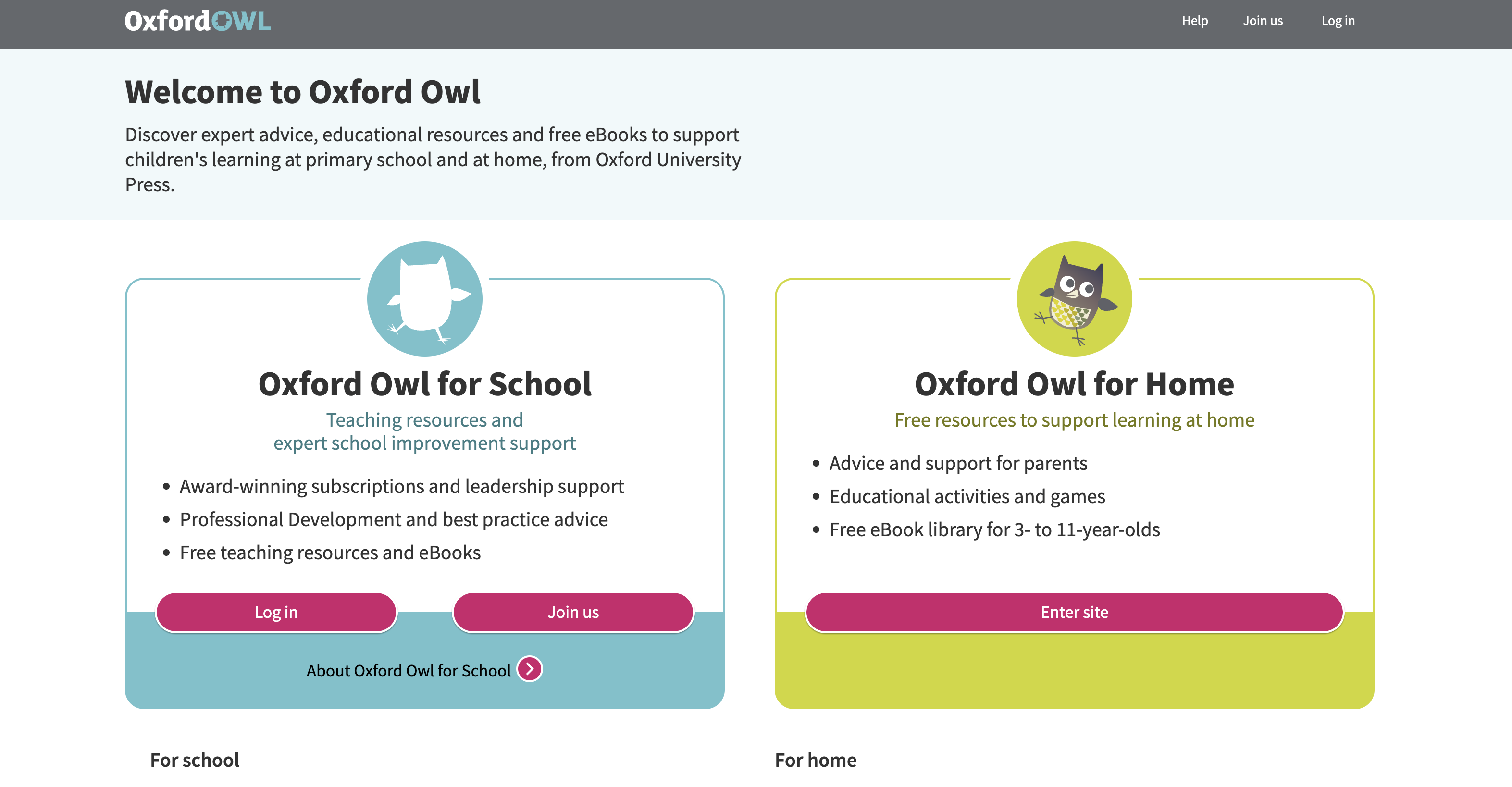
Website: oxfordowl.co.uk
Good for: reading support, eBooks and parent-friendly guidance
Oxford Owl is a good one to know about for reading.
It is especially useful because it can support both teachers and parents. That matters because reading does not only happen in school. Families often want to help, but they are not always sure what is useful.
Oxford Owl is helpful for:
-
children’s eBooks
-
early reading support
-
phonics guidance
-
reading advice for parents
-
book-level information
-
home reading support
It is a good site to share with parents when they want something clear and sensible.
It is also useful for teachers who want reading support that does not feel overwhelming or too technical.
5. Tes Resources
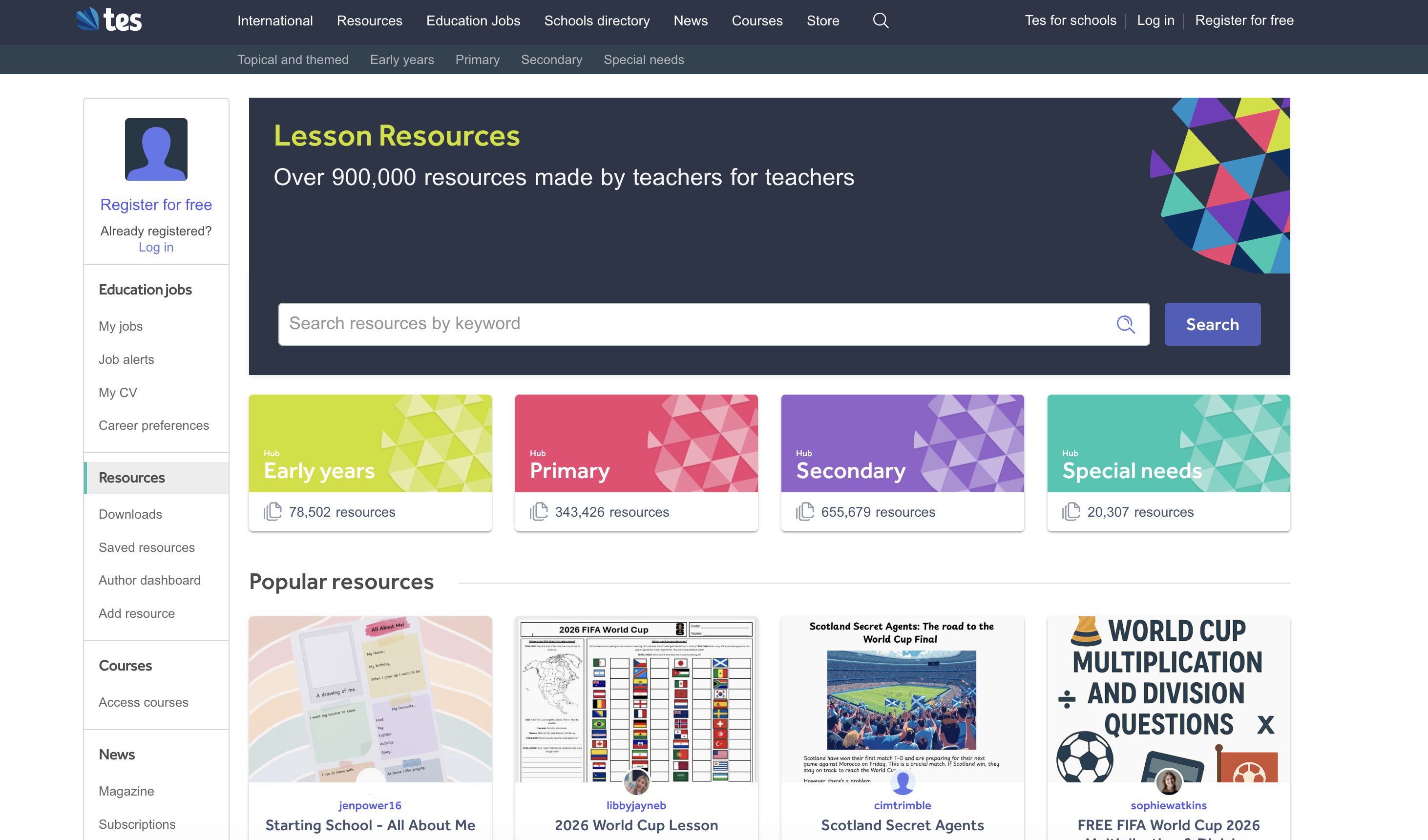
Website: tes.com/teaching-resources
Good for: teacher-uploaded resources across the whole English curriculum
Tes Resources is huge.
That is the good thing and the awkward thing.
There are resources for almost everything: grammar, reading, writing, spelling, display, planning, comprehension, SATs revision and more. But because it is such a large resource library, the quality and style can vary.
It is best used when you know what you are looking for.
Tes can be useful for:
-
worksheets
-
lesson ideas
-
display materials
-
grammar activities
-
reading tasks
-
writing prompts
-
planning inspiration
It is not always the best place for a casual browse, because you can easily disappear into the resource rabbit hole.
But with a clear search, it can save a lot of time.
6. Oak National Academy
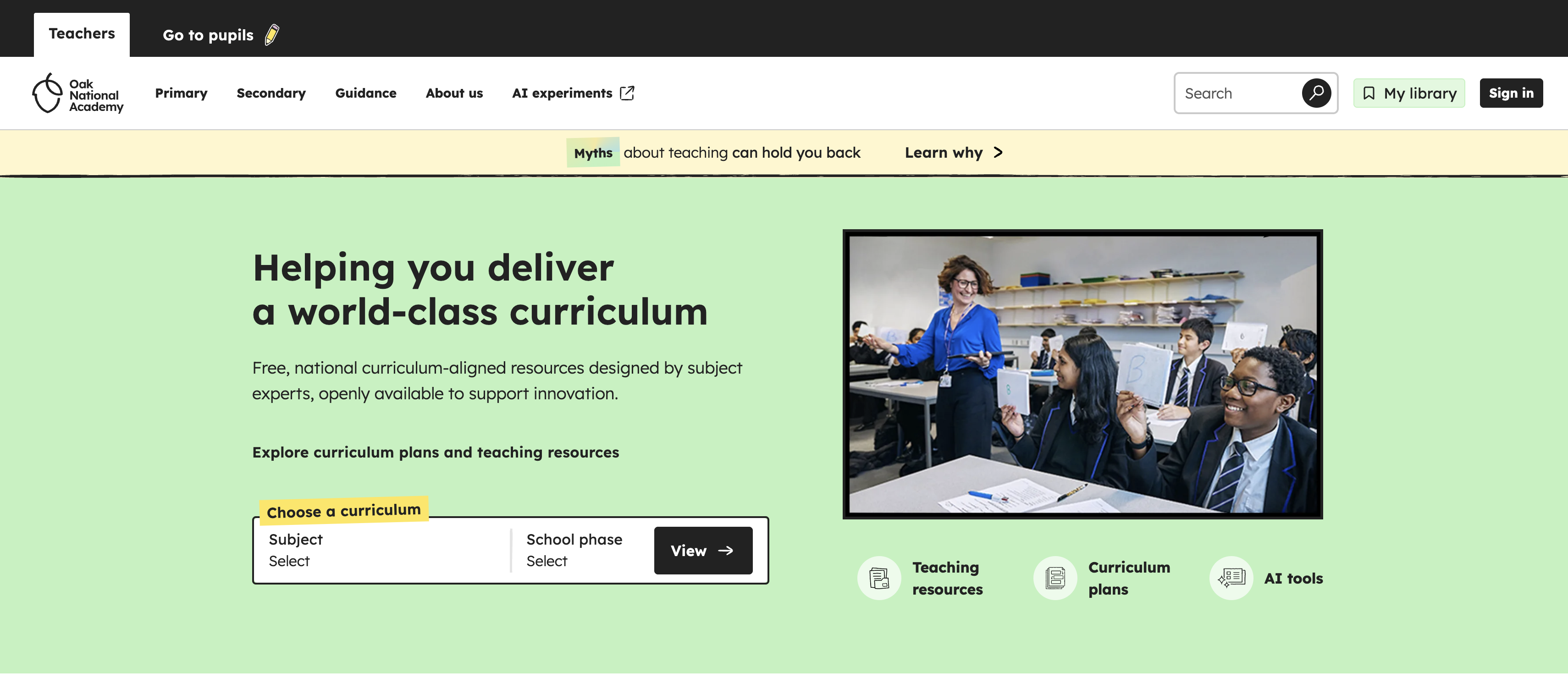
Website: thenational.academy
Good for: free, structured, curriculum-linked lessons
Oak National Academy is useful when you want something more complete than a one-off activity.
For primary English, you can find structured lesson materials, including slides, worksheets and quizzes. It can be especially handy when you want to see how a unit has been sequenced.
Oak is useful for:
-
lesson sequences
-
slides
-
worksheets
-
quizzes
-
reading and writing units
-
grammar, spelling and handwriting
-
curriculum planning support
You will still want to adapt things for your class. Teachers always do.
But as a starting point, Oak can be a big time-saver, especially when you need a clear structure.
7. PlanBee
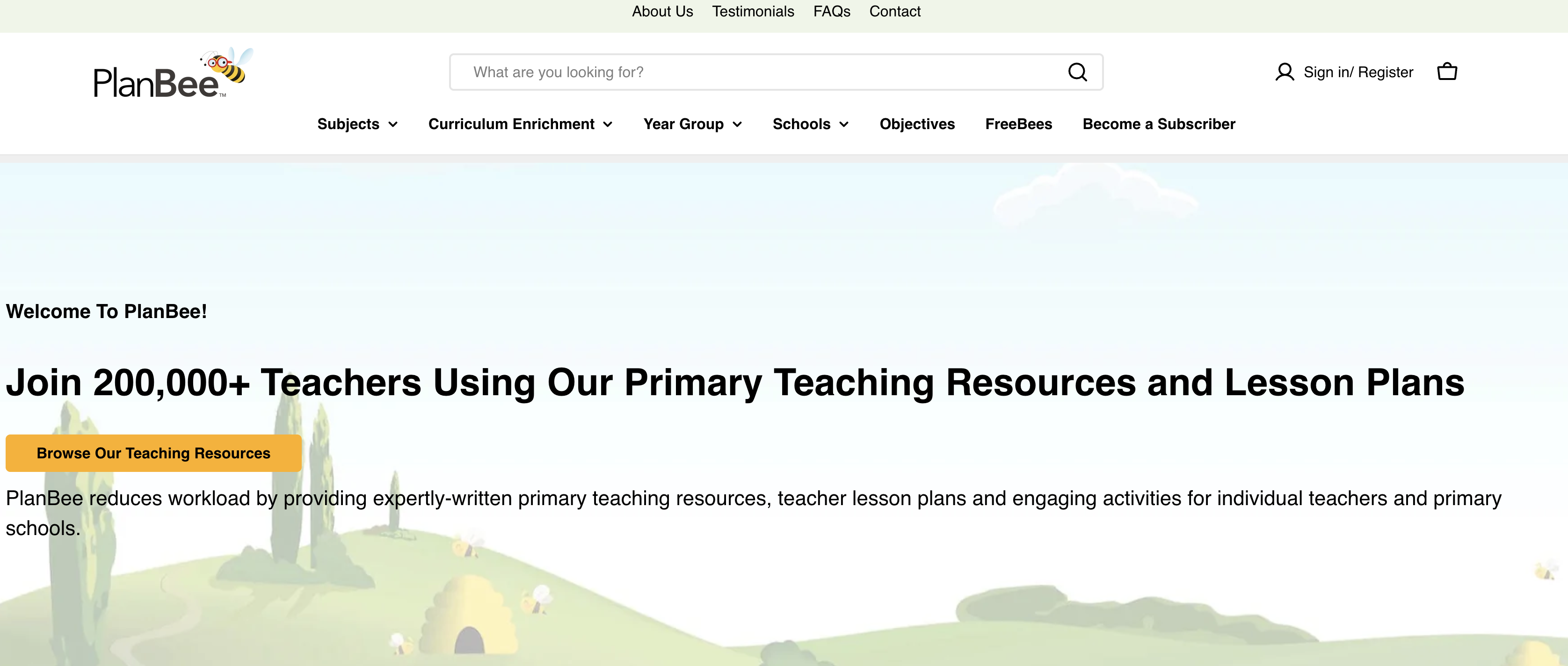
Website: planbee.com
Good for: ready-made primary English lesson packs
PlanBee is useful if you want a full lesson pack rather than a quick idea.
It is the kind of site you might use when you need plans, slides and worksheets together, especially if time is tight or you are covering a topic you have not taught for a while.
PlanBee can help with:
-
English lesson packs
-
lesson plans
-
slides
-
worksheets
-
reading and writing activities
-
curriculum-linked units
-
supply or cover planning
This is not the same as a free daily prompt site. It is more of a planning support site.
That can be really useful when you need something structured and ready to adapt.
8. BBC Bitesize
Website: 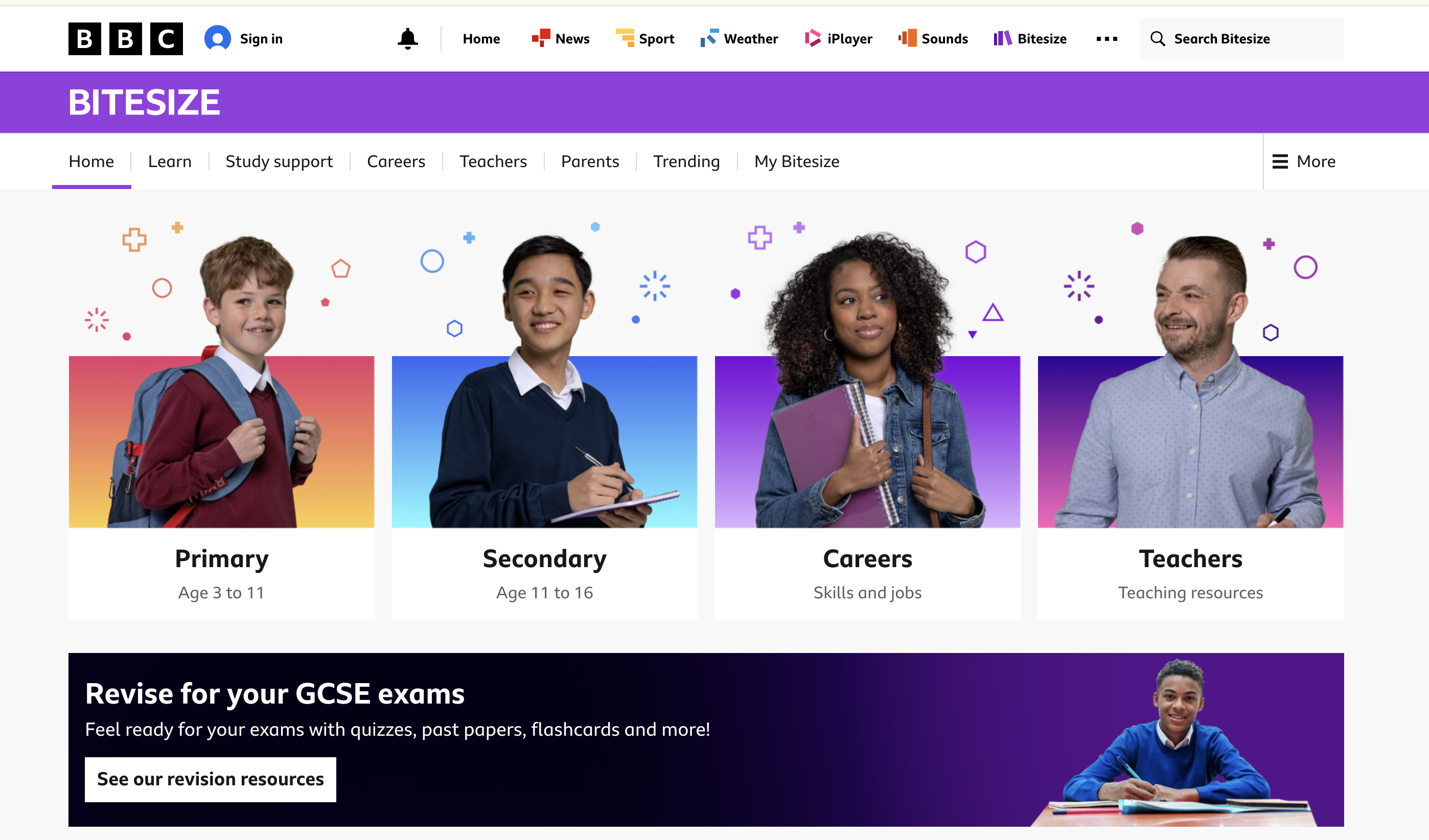
Good for: simple explanations and quick revision
BBC Bitesize is useful because it explains things clearly.
It is not always the answer if you need a full lesson, but it is very handy when a child needs to revisit a concept or when you want a simple explanation of a grammar, spelling, reading or writing idea.
BBC Bitesize can be useful for:
-
grammar explanations
-
punctuation reminders
-
spelling support
-
reading and writing topics
-
homework support
-
quick revision
-
independent learning
It is also parent-friendly, which is useful.
If a parent wants to understand what their child is learning without being buried in teacher terminology, Bitesize is often a good place to point them.
9. Vocabulary Ninja
Website: vocabularyninja.co.uk
Good for: vocabulary routines and Word of the Day
Vocabulary Ninja is a good choice if you want vocabulary to become part of classroom life, not just something you mention occasionally.
The Word of the Day-style approach works well because it gives children repeated exposure to new words. They can talk about meaning, word class, synonyms, antonyms and how the word might be used in writing.
Vocabulary Ninja is useful for:
-
Word of the Day routines
-
Tier 1 and Tier 2 vocabulary
-
vocabulary discussion
-
word class work
-
synonyms and antonyms
-
improving word choice
-
building vocabulary across the week
It is especially helpful if you want a simple, repeatable vocabulary routine.
A little bit of vocabulary work, done often, is much better than a giant word list that nobody looks at again.
10. The Literacy Shed
Website: literacyshed.com
Good for: visual literacy, short films and writing inspiration
The Literacy Shed is one of the best-known literacy sites for a reason.
It is built around films, animations and visual prompts that can be used to inspire writing. That makes it especially useful when you want children to talk, notice, infer and imagine before they write.
Short films are powerful because they give the whole class a shared starting point.
Children can discuss:
-
character
-
setting
-
mood
-
prediction
-
inference
-
vocabulary
-
sentence choices
-
story structure
Then, when they start writing, they have something to draw from.
The Literacy Shed is particularly useful for narrative writing, description and discussion before writing.
Which website should you use first?
It depends what problem you are trying to solve.
Here is the simplest way to think about it:
-
For oracy and classroom talk, try Voice 21.
-
For daily writing prompts, try Pobble 365.
-
For grammar, spelling and writing resources, try Grammarsaurus.
-
For reading and eBooks, try Oxford Owl.
-
For a big resource search, try Tes Resources.
-
For free structured lessons, try Oak National Academy.
-
For ready-made lesson packs, try PlanBee.
-
For quick explanations, try BBC Bitesize.
-
For vocabulary routines, try Vocabulary Ninja.
-
For film-based writing inspiration, try The Literacy Shed.
You do not need all of them open all the time.
That way madness lies.
The better approach is to know what each site is good for, then go to the right place when you need it.
A quick note on free and paid resources
Not every site on this list works in the same way.
Some resources are free. Some sites have a mix of free and paid content. Some are mainly subscription-based or sell individual resources.
That is normal, but it is worth checking before you build a lesson around something.
Before using a resource, check:
-
whether you need an account
-
whether it is free or paid
-
whether it can be downloaded
-
whether it suits your year group
-
whether it fits your school’s curriculum
-
whether it needs adapting for your class
No website replaces teacher judgement.
A resource can be excellent and still need tweaking.
Final thoughts
There are hundreds of literacy websites for primary teachers, but the best ones are the ones you actually go back to.
You do not need a folder full of links you never use.
You need a small set of reliable places that help with real classroom problems: finding a writing idea, explaining a grammar point, supporting reading, building vocabulary, planning a lesson, or getting children talking before they write.
Used well, these websites can save time and make literacy teaching easier.
Silly School Education also supports primary literacy through phonics songs, grammar videos, Word of the Day content and classroom-friendly songs. It works well alongside practical teaching, strong discussion and plenty of chances for children to use language in real reading and writing.
Frequently asked questions
What are the best literacy websites for primary teachers?
Some of the best literacy websites for primary teachers include Voice 21, Pobble 365, Grammarsaurus, Oxford Owl, Tes Resources, Oak National Academy, PlanBee, BBC Bitesize, Vocabulary Ninja and The Literacy Shed.
What is the best website for primary writing prompts?
Pobble 365 and The Literacy Shed are both strong options. Pobble 365 is useful for daily picture prompts, while The Literacy Shed is useful for short films and visual literacy.
What is the best website for primary grammar resources?
Grammarsaurus, BBC Bitesize, Tes Resources and Oak National Academy can all be useful for grammar. The best choice depends on whether you want a quick explanation, a worksheet, or a fuller lesson sequence.
What is the best website for classroom oracy?
Voice 21 is a strong starting point for oracy because it focuses specifically on speaking, listening and purposeful classroom talk.
Are these literacy websites free?
Some are free, some are freemium and some include paid or subscription resources. It is always worth checking before you plan around a resource.
What literacy websites are useful for parents?
Oxford Owl and BBC Bitesize are especially parent-friendly because they offer clear reading and English support. Pobble 365 can also be useful at home for quick writing ideas.