
Some mornings need a little help.
Children arrive with different energy levels. Some are sleepy. Some are already bouncing. Some are still thinking about breakfast, the playground, or something that happened before school.
A good wake-up song can help bring everyone together.
It gives the class a shared start, gets bodies moving, and helps children move from “I’ve just arrived” into “I’m ready to learn.”
This does not need to be complicated. You do not need a full dance routine or a long morning performance. Sometimes a short, upbeat song is enough to reset the room.

Here are five great wake-up songs for primary classrooms.
Quick answer
The best classroom wake-up songs are short, energetic and easy for children to join in with. They should help children move, smile, settle and feel ready for the day. Our top choice (unsurprisingly we're possibly a little biased...) is the Silly School Education Wake Up Song, followed by popular morning songs from Danny Go!, The Singing Walrus, The Kiboomers and Super Simple Songs.
Why use a wake-up song in the classroom?
A wake-up song is a simple way to start the day with energy and routine.
It can help children:
- move their bodies
- wake up gently
- join in as a group
- feel more positive
- settle into the school day
- switch from arrival time to learning time
For younger children especially, songs can make transitions much easier.
A wake-up song can work well:
- at the start of the school day
- after registration
- after wet play
- after lunch
- before phonics or maths
- when the class feels flat or restless
The key is choosing a song that fits the moment. Some songs are calm and welcoming. Others are better when children need movement and energy.
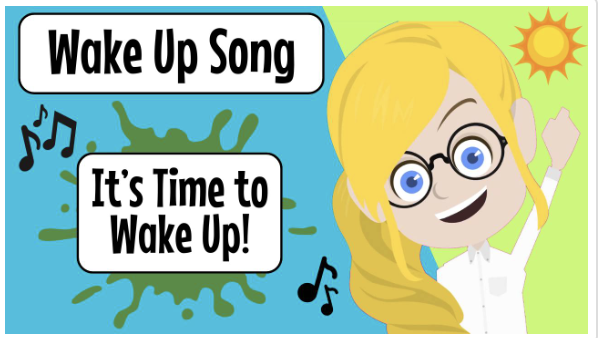
1. Silly School Education – Wake Up Song
Yes, we are putting our own song at number one.
Biased? Well maybe..but in our defence, the Silly School Education Wake Up Song has had over 12 million views on YouTube, so it has done a fair amount of classroom wake-up duty already.
It is not a gentle “good morning, let’s quietly sit on the carpet” kind of song. It gets faster and faster, with jumping, clapping, running on the spot and a lot of general silliness.
In other words, it does exactly what a wake-up song is supposed to do.
It works well when children need to:
-
move their bodies
-
shake off sleepy energy
-
join in quickly
-
laugh a bit
-
wake up before learning starts
-
reset after sitting for too long
It is especially useful for EYFS, KS1 and lower KS2, although older children may pretend they are far too grown up for it before joining in anyway.
The reason it works is simple. Children are not just listening to a song. They are moving, copying, reacting and getting involved.
By the end, most classes are awake, smiling and slightly out of breath. Which, for a wake-up song, feels like a fairly good result.
2. Danny Go! – Brand New Day! Good Morning Wake Up Dance
This one is a strong choice if you want a more active start.
Danny Go! videos are usually very movement-focused, and Brand New Day! Good Morning Wake Up Dance fits that style. It is bright, energetic and designed to get children moving.
This is probably better for a moment when you have space and want children to burn off a little energy before settling down.
It works well for:
- active morning starts
- brain breaks
- younger primary children
- movement sessions
- days when the class needs a reset
It may be too lively for every classroom first thing in the morning, especially if you want a calm start. But when the class needs movement, it is a useful option.

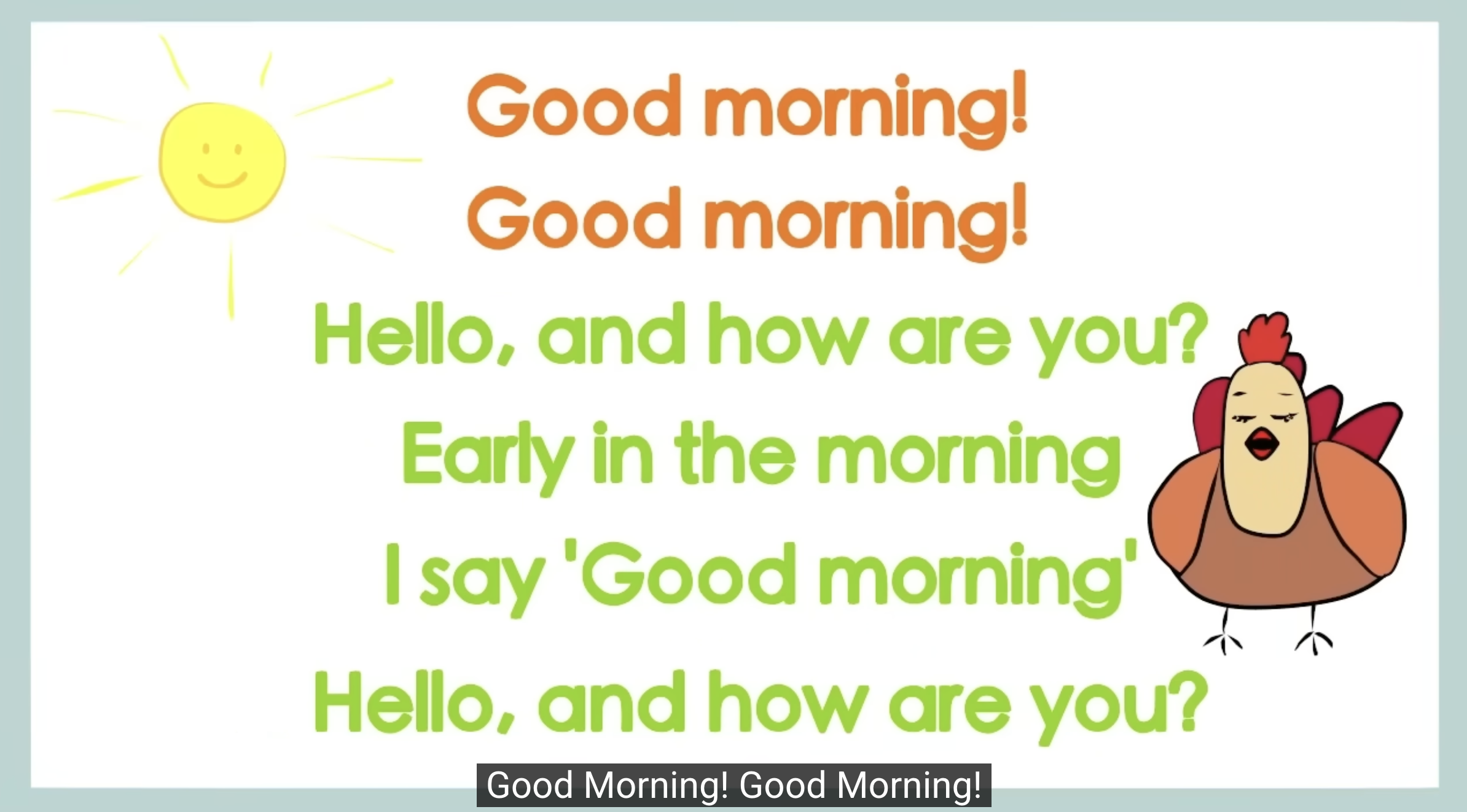
3. The Singing Walrus – Good Morning Song for Kids
The Singing Walrus Good Morning Song for Kids is a good option for a warm, friendly start to the day.
It is less about waking children up through fast movement and more about greeting, joining in and creating a positive mood.
This makes it useful for younger children, especially in early years or kindergarten-style settings.
It works well for:
- morning welcome time
- circle time
- younger children
- English language learners
- settling into the day
- building a friendly routine
This is a good choice if you want a song that feels cheerful without being too chaotic.
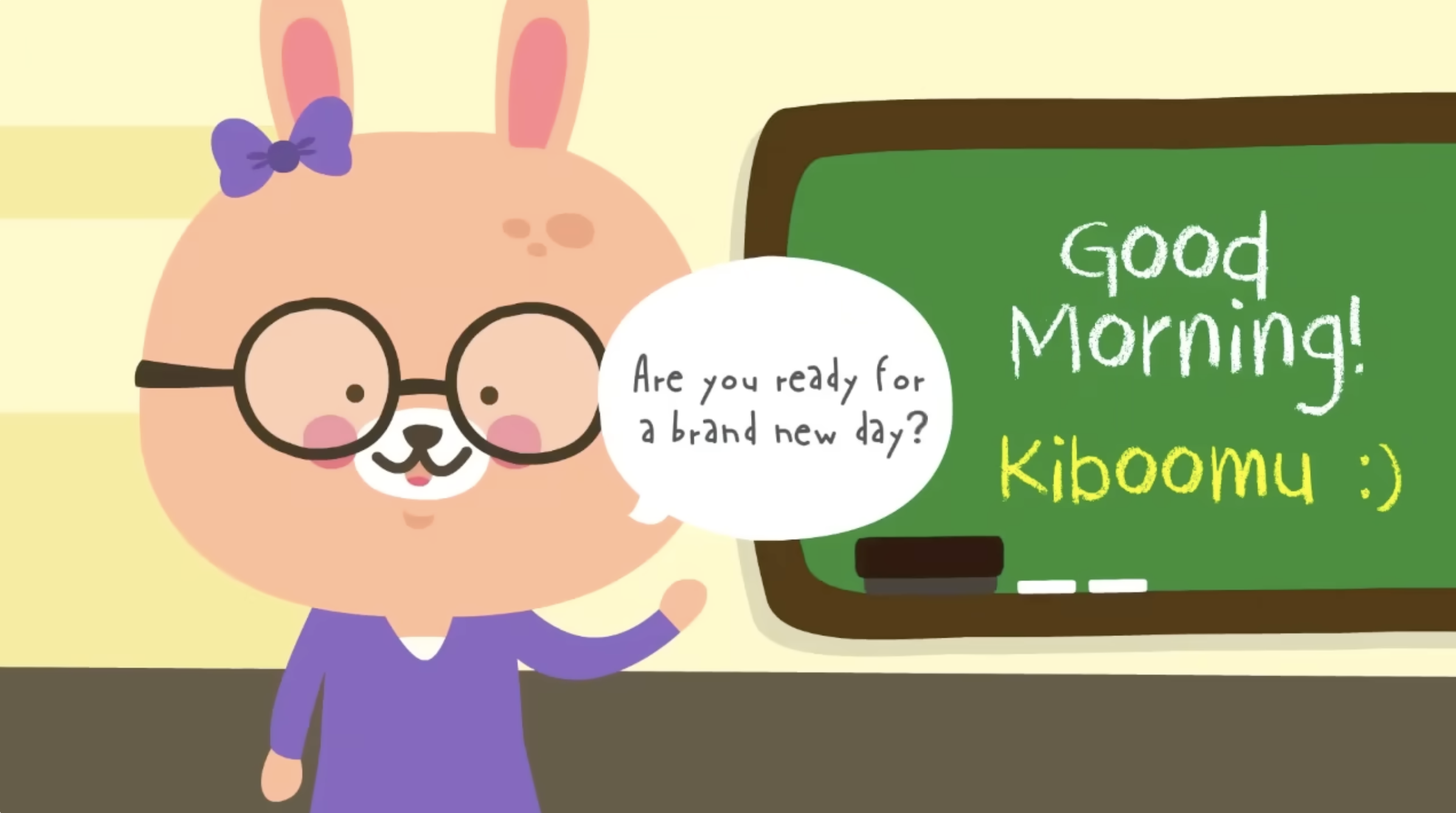
4. The Kiboomers – Good Morning Song
The Kiboomers have lots of songs aimed at preschool and early years children, and their Good Morning Song is a popular kind of classroom routine song.
This one works well when you want a predictable morning song that children can learn quickly.
It is a good fit for:
- nursery
- Reception
- preschool
- circle time
- morning greetings
- daily routines
It is probably best for younger children rather than older primary pupils. For the right age group, though, it gives the morning a familiar and friendly structure.
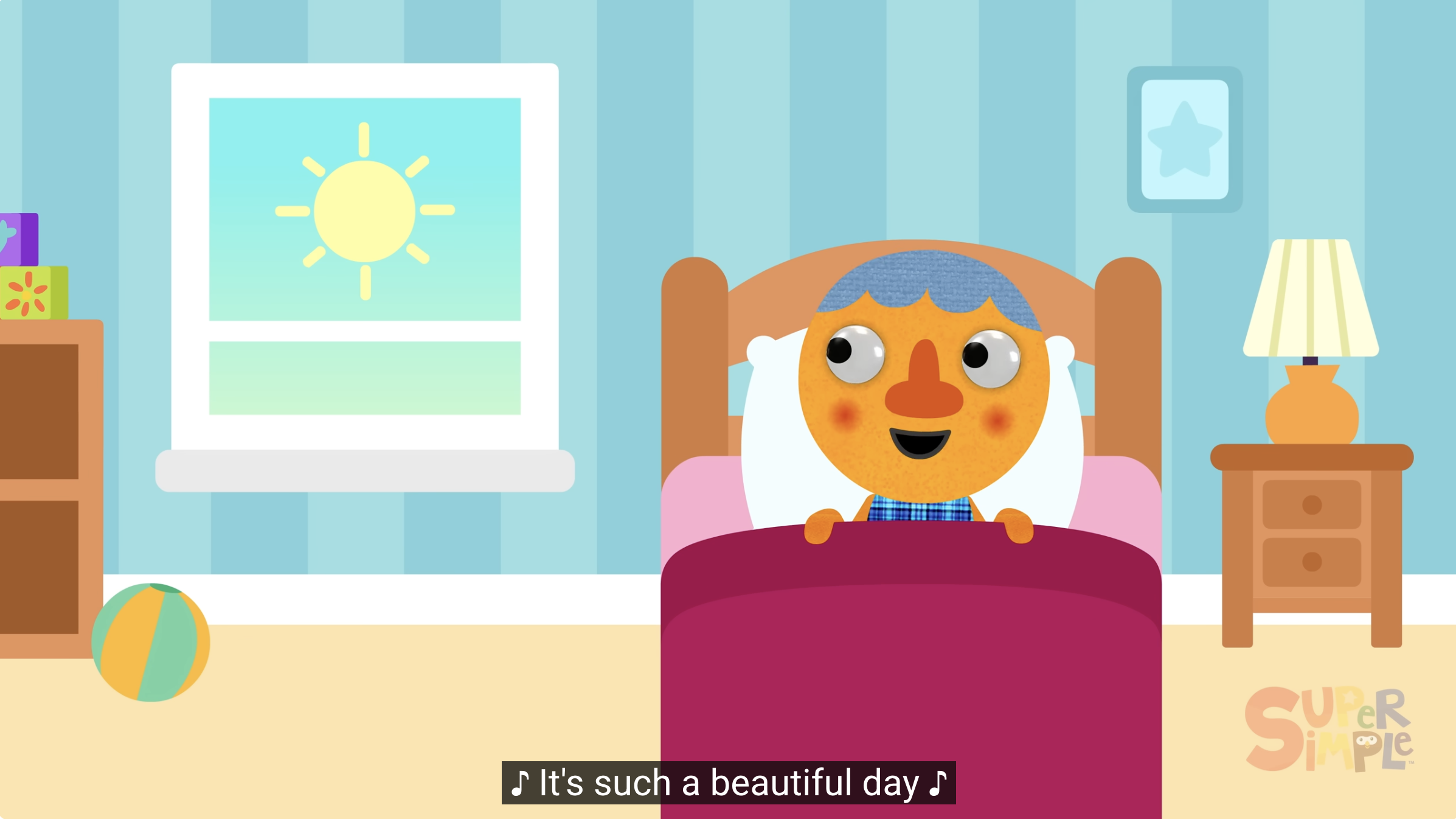
5. Super Simple Songs – Good Morning, It’s Such A Beautiful Day
Super Simple Songs are known for clear, gentle songs for young children, and Good Morning, It’s Such A Beautiful Day has that same calm, positive feel.
This is not the most energetic wake-up song on the list. It is better if you want something bright but gentle.
It works well for:
- calmer morning starts
- early years
- children who need a softer transition
- circle time
- settling after arrival
- creating a positive mood
This could be a good choice when the class does not need a big burst of movement, but you still want a cheerful start.
How to choose the right wake-up song
The best wake-up song depends on your class.
Some classes need movement. Some need calm. Some need a familiar routine that happens the same way every day.
Before choosing a song, think about what you want it to do.
Do you want the song to:
- wake children up?
- help them move?
- settle them down?
- welcome them into the room?
- support a morning routine?
- give them a quick brain break?
- create a positive mood?
If the class is sleepy, choose something active.
If the class is already over-excited, choose something calmer.
The song should help the room, not make your job harder.
What makes a good classroom wake-up song?
A good wake-up song should be easy to use.
It does not need to be perfect. It just needs to work in a real classroom.
The best ones are usually:
- short enough to use regularly
- simple enough for children to join in with
- upbeat without being overwhelming
- clear in their actions or routine
- appropriate for the age group
- easy to repeat across the week
Children like repetition. If a song works, you do not need to keep changing it.
Using the same wake-up song regularly can help children know what to expect.

When should you use a wake-up song?
A wake-up song can work at different points in the day.
The obvious time is first thing in the morning, but that is not the only option.
You could use one:
- after registration
- before the first lesson
- after a long carpet session
- after lunch
- after wet play
- between lessons
- when children need a quick movement break
It can be especially useful when the energy in the room is not quite right.
If children are sluggish, a wake-up song can lift them.
If they are unsettled, a familiar song can bring them back together.
Should wake-up songs be active or calm?
Both can work.
An active song is useful when children need movement. This can help them shake off tiredness and get ready to focus.
A calmer good morning song is better when you want to create a gentle start.
There is no single right answer.
For example:
Use an active wake-up song when:
- children seem sleepy
- the class needs movement
- you are about to start a focused lesson
- you want a quick brain break
Use a calmer morning song when:
- children are arriving into the room
- you want a softer start
- the class is already lively
- you are building a predictable routine
The best classrooms often have both types available.
Final thoughts
A good wake-up song can make the start of the day feel easier.
It gives children something familiar to join in with, helps them move their bodies, and creates a positive classroom routine.
For a lively, silly and movement-based option, the Silly School Education Wake Up Song is a strong place to start. For gentler morning routines, songs from The Singing Walrus, The Kiboomers and Super Simple Songs can also work well. If you want a bigger movement burst, Danny Go! is worth trying too.
The main thing is to choose the song that fits your class.
A wake-up song should not just fill time. It should help children feel ready for the day.
Silly School Education has songs and videos designed for primary classrooms, including phonics, maths, grammar, movement songs and classroom routines. They are made to be short, repeatable and easy to use as part of everyday teaching.
Frequently asked questions
What is a wake-up song?
A wake-up song is a short, lively song used to help children feel more alert, positive and ready for the day. In classrooms, it often includes movement, actions or simple words children can join in with.
What is the best wake-up song for the classroom?
A good classroom wake-up song should be simple, energetic and easy for children to follow. The Silly School Education Wake Up Song is a good choice if you want a silly, active song that gets children moving.
When should teachers use wake-up songs?
Teachers can use wake-up songs at the start of the day, after registration, after lunch, after wet play, or whenever the class needs a quick reset.
Are wake-up songs only for younger children?
No. Wake-up songs are most common in EYFS and KS1, but lower KS2 children can enjoy them too, especially if the song is fun, fast or linked to movement.
Can wake-up songs help children focus?
Yes, they can help. A short movement song can help children release energy, join in as a group and get ready for learning. It works best when used as part of a clear classroom routine.
Should a wake-up song be used every day?
It can be. If children respond well to it, using the same song regularly can help build routine and familiarity. You can also keep a few options and choose the one that suits the class mood that day.