
The Amazon rainforest is one of those geography topics children often find exciting straight away.
It has huge trees, colourful animals, powerful rivers and the feeling of a place that is almost too big to imagine.
But it can also become a list of random facts very quickly.
Children might remember jaguars, parrots and snakes, but miss the bigger geography: where the Amazon is, why it is so wet, why the rainforest matters, and why people are trying to protect it.
This guide is for parents and teachers who want to explain the Amazon rainforest clearly, accurately and in a way children can actually understand.
Quick answer
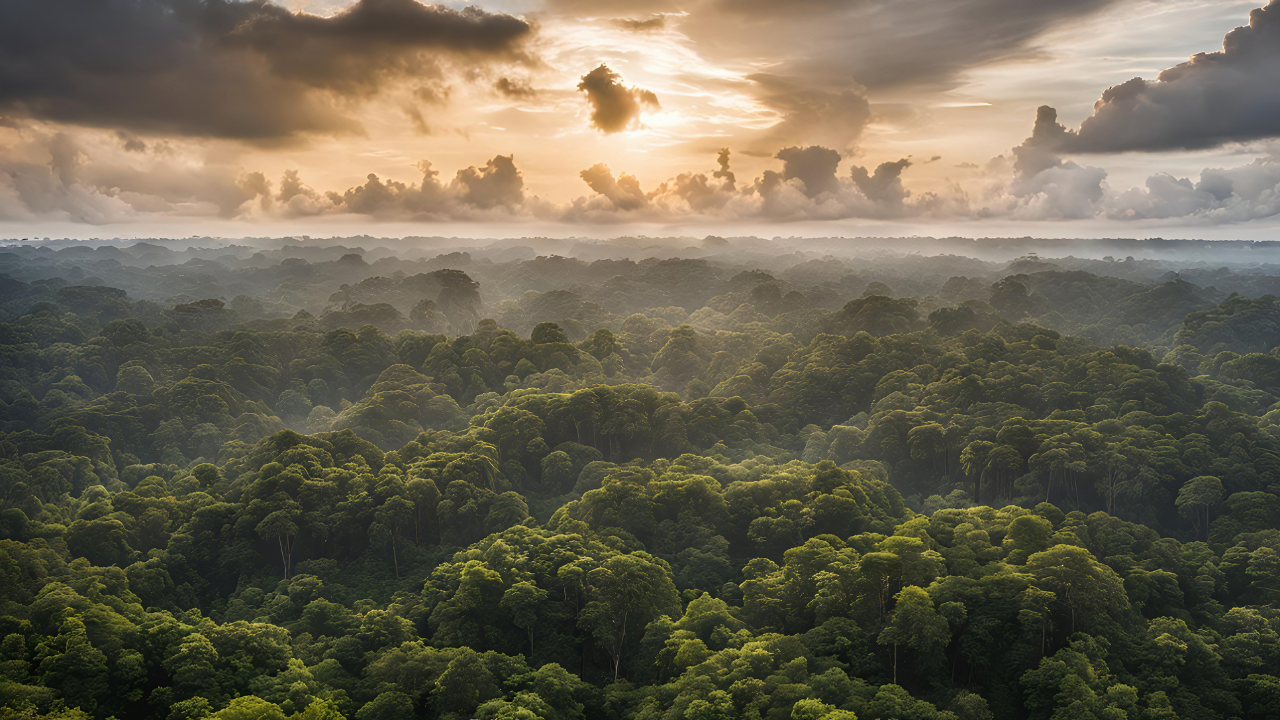
The Amazon rainforest is the world’s largest tropical rainforest. It is in South America and covers a huge area around the Amazon River. Children should learn that it is important because it is home to many plants, animals and people, helps move water through the atmosphere, stores carbon, and is affected by deforestation, farming, fires and climate change.
Start with where the Amazon rainforest is
Before children learn rainforest facts, they need to know where the Amazon is.
A simple explanation is:
“The Amazon rainforest is in South America. A large part of it is in Brazil, but it also reaches into other countries. The Amazon River runs through the rainforest.”
That gives children three useful anchors:
-
continent: South America
-
major country link: Brazil
-
physical feature: Amazon River
Use a map early. Otherwise, the Amazon can become a magical jungle floating somewhere in children’s imagination, rather than a real place on Earth.
You could ask:
“Can you find South America?”
“Can you find Brazil?”
“Can you trace the Amazon River?”
“Is the Amazon rainforest near the Equator?”
That last question matters because it links the rainforest to climate.
Fact 1: The Amazon is the world’s largest tropical rainforest
The Amazon is not just a rainforest. It is the largest tropical rainforest on Earth.
For children, the word tropical is important. It means the rainforest is in a warm part of the world near the Equator. Tropical rainforests are usually hot, wet and full of plant life.
A child-friendly explanation might be:
“Tropical rainforests are warm, wet forests that grow near the middle of the Earth. The Amazon is the biggest one.”
This helps children connect the Amazon to wider geography ideas such as:
-
the Equator
-
climate zones
-
biomes
-
vegetation
-
rivers
-
habitats
For older primary children, this is a useful step towards understanding biomes and vegetation belts.
Fact 2: The Amazon is full of life
The Amazon rainforest is famous for its biodiversity. That means it has an enormous variety of living things.
Children often love this part, because it gives them something concrete to picture.
You might mention:
-
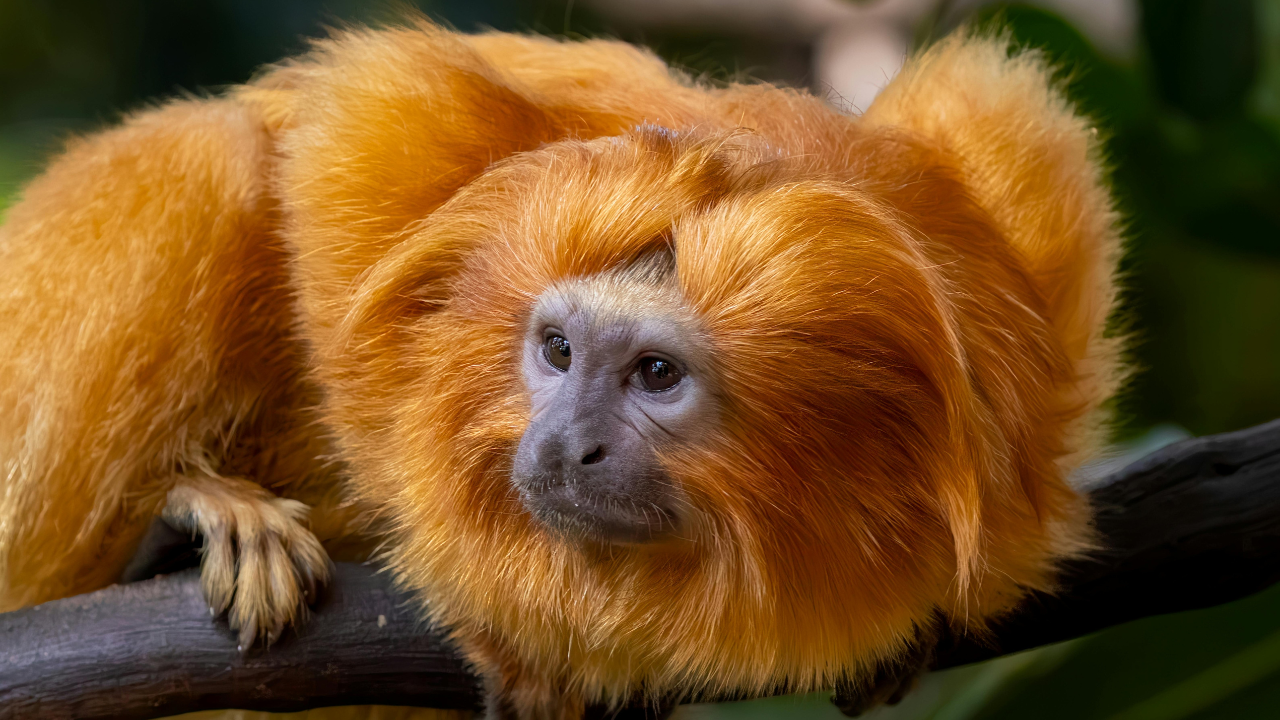
jaguars
-
sloths
-
toucans
-
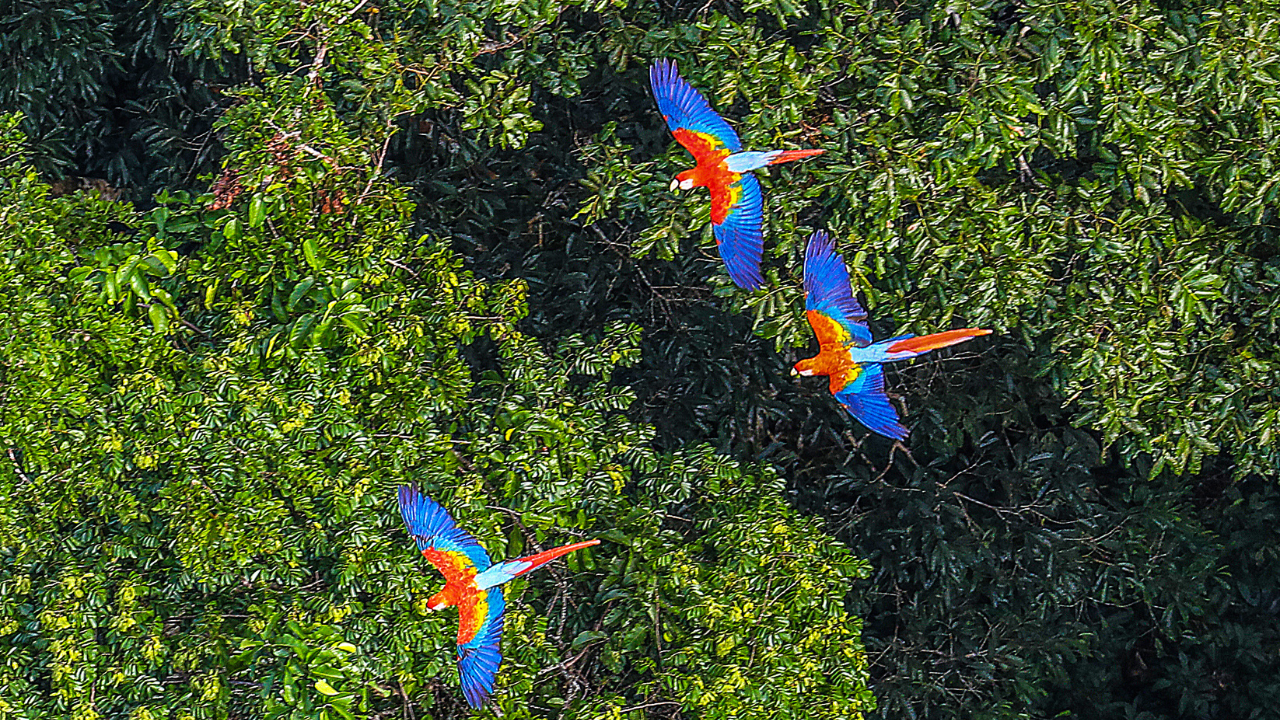
macaws
-
poison dart frogs
-
anacondas
-
monkeys
-
insects
-
giant water lilies
The teaching point is not just “there are lots of animals”. It is that the rainforest is a habitat made of many layers.
You can explain the layers simply:
The forest floor is dark and damp.
The understory has smaller trees and plants.
The canopy is like a leafy roof.
The emergent layer has the tallest trees reaching above the rest.
This helps children understand that different animals live in different parts of the rainforest.
Fact 3: The Amazon rainforest helps move water
Children often think rainforests are wet simply because “it rains there a lot”. That’s true, but the Amazon is more interesting than that.
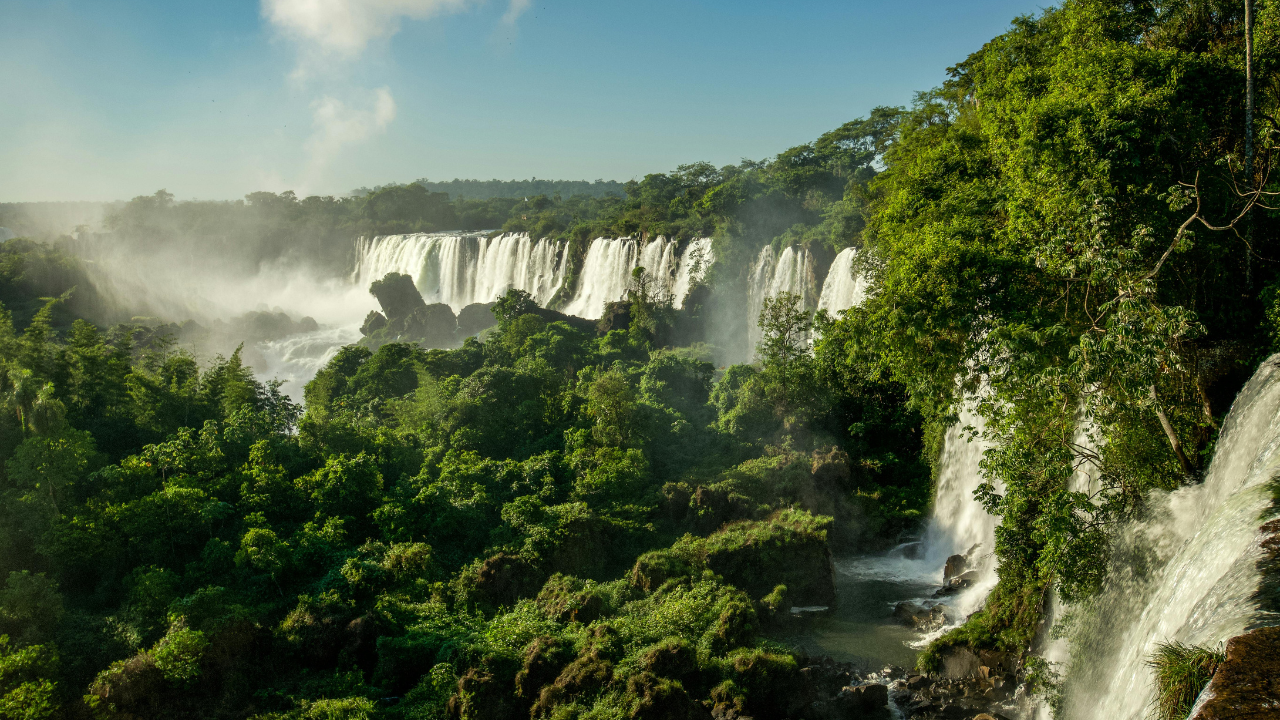
Trees take in water through their roots. Some of that water is released back into the air from leaves. This adds moisture to the atmosphere and helps support rainfall.
You don’t need to use complicated language with younger children. You can say:
“The trees help move water from the ground back into the air. That helps keep the rainforest wet.”
For older children, you can introduce the word transpiration.
A simple version:
“Transpiration is when plants release water vapour from their leaves.”
This links beautifully to the water cycle. It also helps children see that forests are not just collections of trees. They are living systems.
Fact 4: People live in the Amazon rainforest
This is an important one.
Children can easily imagine the Amazon as a place with animals but no people. That is not accurate. Many people live in and around the Amazon, including Indigenous communities with long histories, languages, cultures and deep knowledge of the forest.
A careful explanation might be:
“The Amazon rainforest is not empty. People live there too. Some communities have lived in the forest for a very long time and know how to use and protect it.”
This helps avoid the “wild empty jungle” misconception.
It also gives teachers and parents a chance to talk about respect. The Amazon is not just a place to look at on a screen. It is home to people, as well as plants and animals.
Fact 5: The Amazon is under threat
Children do need to know that the Amazon rainforest is being damaged, but this needs to be handled carefully.
The main threats include:
-
cutting down trees
-
clearing land for farming
-
fires
-
mining
-
road building
-
climate change
For younger children, keep it simple:
“Some parts of the rainforest are being cut down or damaged. This can hurt animals, plants and people who depend on the forest.”
For older children, you can introduce the word deforestation.
A simple explanation:
“Deforestation means clearing forests, often by cutting down or burning trees.”
The key is not to frighten children. The aim is to help them understand that places can change, and that people make choices about how land is used.
Be careful with “the lungs of the planet”
You may have heard the Amazon called the lungs of the planet. It is a memorable phrase, but it can be misleading if children take it too literally.
The Amazon does help the planet. It stores carbon, supports rainfall, provides habitats and plays a major role in Earth’s natural systems. But it is better not to tell children simply that “the Amazon gives us all our oxygen” or “we couldn’t breathe without it”.
A clearer explanation is:
“The Amazon is important because it stores carbon, helps move water through the air, and gives millions of living things a place to live.”
That is more accurate and still powerful.
Common misconceptions about the Amazon rainforest
“The Amazon is in Africa”
This is a common mix-up because children may hear about rainforests in different parts of the world. The Amazon is in South America. There are also tropical rainforests in Africa and Asia.
“The Amazon is just in Brazil”
A large part of the Amazon is in Brazil, but it also stretches into other South American countries. For younger children, it is enough to say that Brazil has a big part of it, but not all of it.
“Rainforests only matter because of animals”
Animals are important, but rainforests also matter because of plants, rivers, rainfall, carbon storage, soil, food, medicine, people and climate.
“No one lives there”
People do live in the Amazon. That includes towns, cities, rural communities and Indigenous peoples. It should not be taught as an empty wilderness.
“All rainforests are the same”
Rainforests share some features, but they are not identical. The Amazon is different from the Congo Basin rainforest, rainforests in Southeast Asia, and smaller tropical forests elsewhere.
What to avoid when teaching the Amazon rainforest
Try not to turn the topic into either a scary climate lecture or a random animal fact list.
Avoid:
-
saying the Amazon produces all the oxygen we breathe
-
describing it as empty or untouched by people
-
focusing only on dangerous animals
-
using “jungle” as the only word for rainforest
-
giving children too many statistics at once
-
making children feel helpless about environmental problems
It is better to teach a few clear ideas well: location, climate, biodiversity, people, rivers, water and change.
A simple classroom or home activity
Build an Amazon rainforest fact map
Give children a blank page with “Amazon Rainforest” in the middle.
Around it, add five branches:
-
Where is it?
-
What lives there?
-
What is the weather like?
-
Why does it matter?
-
What is changing?
Children can add words, drawings or short facts to each branch.
For example:
Where is it?
South America
Brazil
Amazon River
Near the Equator
What lives there?
Jaguars
Sloths
Macaws
Frogs
Huge trees
Why does it matter?
Habitats
Water cycle
Carbon storage
People’s homes
This activity works because it stops the Amazon becoming one long list of facts. It helps children organise their knowledge.
Questions to ask after watching a rainforest video
If children watch a video about the Amazon rainforest, use a few quick questions afterwards.
You could ask:
-
Where is the Amazon rainforest?
-
Which continent is it in?
-
Why is it so wet?
-
What animals did you see?
-
What plants did you notice?
-
Do people live there?
-
What does deforestation mean?
-
Why should people protect rainforests?
These questions help children move from “that was exciting” to “I understand something new”.
Final thoughts
The Amazon rainforest is a brilliant geography topic because it connects so many ideas children need: continents, rivers, climate, habitats, people, land use, deforestation and environmental change.
The best way to teach it is to keep the core message simple. The Amazon is a huge tropical rainforest in South America. It is full of life, shaped by water, home to people, and important for the planet.
Silly School Education has geography videos that help children build this wider world knowledge step by step, from continents, oceans and rivers to biomes, vegetation belts, rainforests, forests, soil, mountains, volcanoes, earthquakes, cardinal directions, the atmosphere, and human and physical geography. Topics like the Amazon rainforest sit naturally within that bigger picture, helping children connect exciting facts to maps, habitats, climate, land use and the world around them.
Frequently asked questions
Where is the Amazon rainforest?
The Amazon rainforest is in South America. A large part of it is in Brazil, but it also reaches into other countries.
Is the Amazon the biggest rainforest in the world?
Yes. The Amazon is the world’s largest tropical rainforest.
Why is the Amazon rainforest important?
The Amazon is important because it is home to many plants, animals and people. It also stores carbon, helps move water through the atmosphere, and supports rainfall and habitats.
What animals live in the Amazon rainforest?
Animals in the Amazon include jaguars, sloths, monkeys, toucans, macaws, poison dart frogs, anacondas and many kinds of insects.
Do people live in the Amazon rainforest?
Yes. Many people live in and around the Amazon rainforest, including Indigenous communities with long histories and deep knowledge of the forest.
What does deforestation mean?
Deforestation means clearing forests, often by cutting down or burning trees. In the Amazon, deforestation can damage habitats and affect people, plants and animals.
Is the Amazon really the lungs of the planet?
People often use that phrase, but it can be misleading. It is better to explain that the Amazon stores carbon, supports rainfall, and provides habitats for millions of living things.
How can I teach children about the Amazon rainforest?
Start with a map. Show that the Amazon is in South America, mostly linked with Brazil and the Amazon River. Then teach a few key ideas: it is tropical, wet, full of life, home to people, and affected by deforestation.