
Human and physical geography is one of those phrases children hear quite early in school.
They might be asked to sort human features and physical features.
They might look at photos of beaches, houses, rivers, roads, mountains, shops and forests.
They might even be able to tell you that a river is physical and a road is human.
But the understanding can still be a bit wobbly.
That’s because the difference is not always as simple as “natural things” and “built things”.
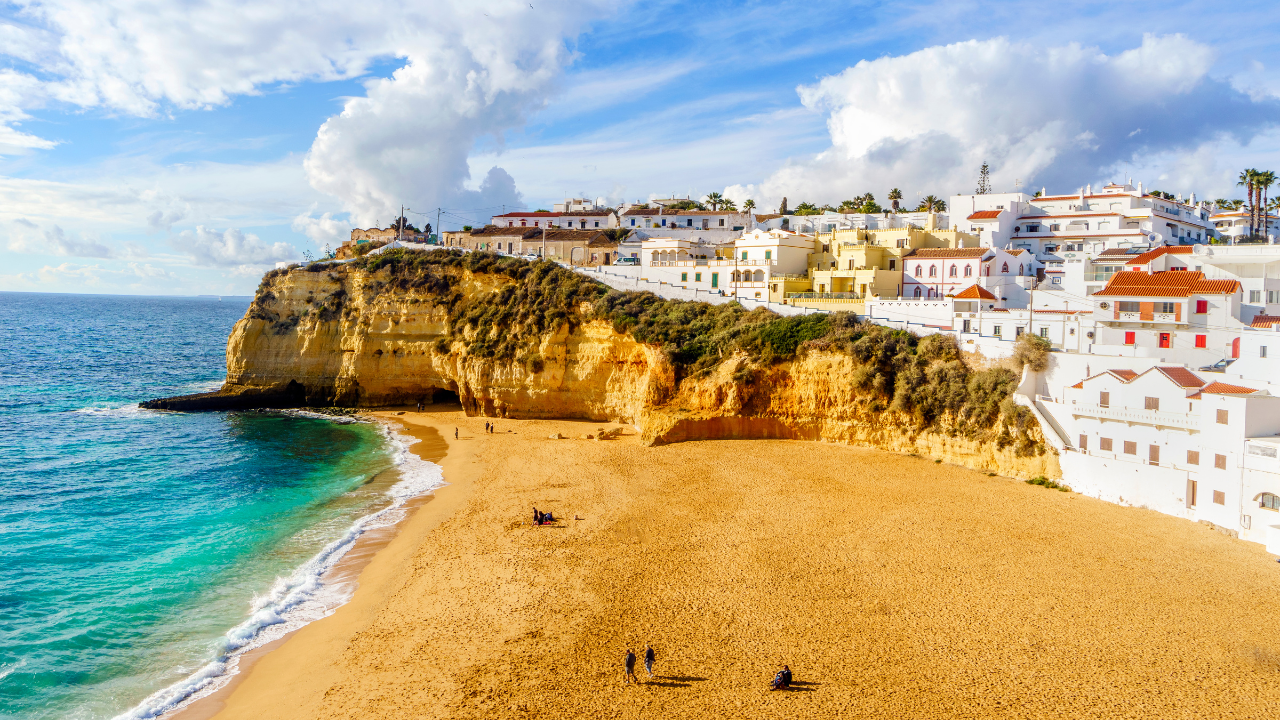
Some places have both. A farm has fields, animals, fences, buildings, tracks and people working there. A beach might have sand and sea, but also cafés, car parks, sea walls and piers. A park might have trees and grass, but also paths, benches and playground equipment.
So children need more than a definition.
They need to learn how to look carefully at a place and ask:
What is natural here?
What has been built or changed by people?
How do these things work together?
That’s where human and physical geography starts to make sense.
Quick answer
Human geography is about people, places and the things people build or change, such as houses, roads, shops, farms, bridges and cities. Physical geography is about natural features and processes, such as rivers, mountains, beaches, forests, weather, climate and oceans. Children understand the difference best when they look at real places and sort examples, rather than just memorising definitions.
Start with a simple explanation
A good child-friendly explanation is:
Physical geography is about the natural world.
Human geography is about people and the places they create or change.
That’s a useful starting point.
You can then say:
“Physical features are things like rivers, hills, beaches and forests.”
“Human features are things like roads, houses, shops and bridges.”
This gives children a clear first hook.
But try not to stop there.
The real learning happens when children start looking at actual places and noticing both types of geography together.
Use real examples first
Children usually understand this best when they can see examples.
Start with places they know.
You might use:
-
the school
-
the playground
-
the street outside
-
a local park
-
the town centre
-
a beach they’ve visited
-
a farm
-
a river
-
a village
-
a city
Ask:
“What can you see that’s natural?”
Then ask:
“What can you see that people have built or changed?”
For example, in a local park, children might spot:
Physical features:
-
trees
-
grass
-
soil
-
flowers
-
a stream
-
a hill
Human features:
-
paths
-
benches
-
gates
-
signs
-
playground equipment
-
bins
-
fences
This works because children are not just learning words. They’re learning to look like geographers.
Teach children to ask better questions
A useful first question is:
Did people make it, or is it part of the natural world?
That works well for lots of simple examples.
A mountain is physical.
A road is human.
A river is physical.
A shop is human.
But children also need to know that geography is not always neat.
A field might be natural land, but it may have been changed by people for farming.
A beach is physical, but a pier is human.
A forest is physical, but if people planted it, managed it or cut paths through it, people have changed it too.
So after the first question, ask:
Has this place been changed by people?
That helps children move beyond simple sorting.
It also shows them that human and physical geography are often connected.
Give clear examples of physical features
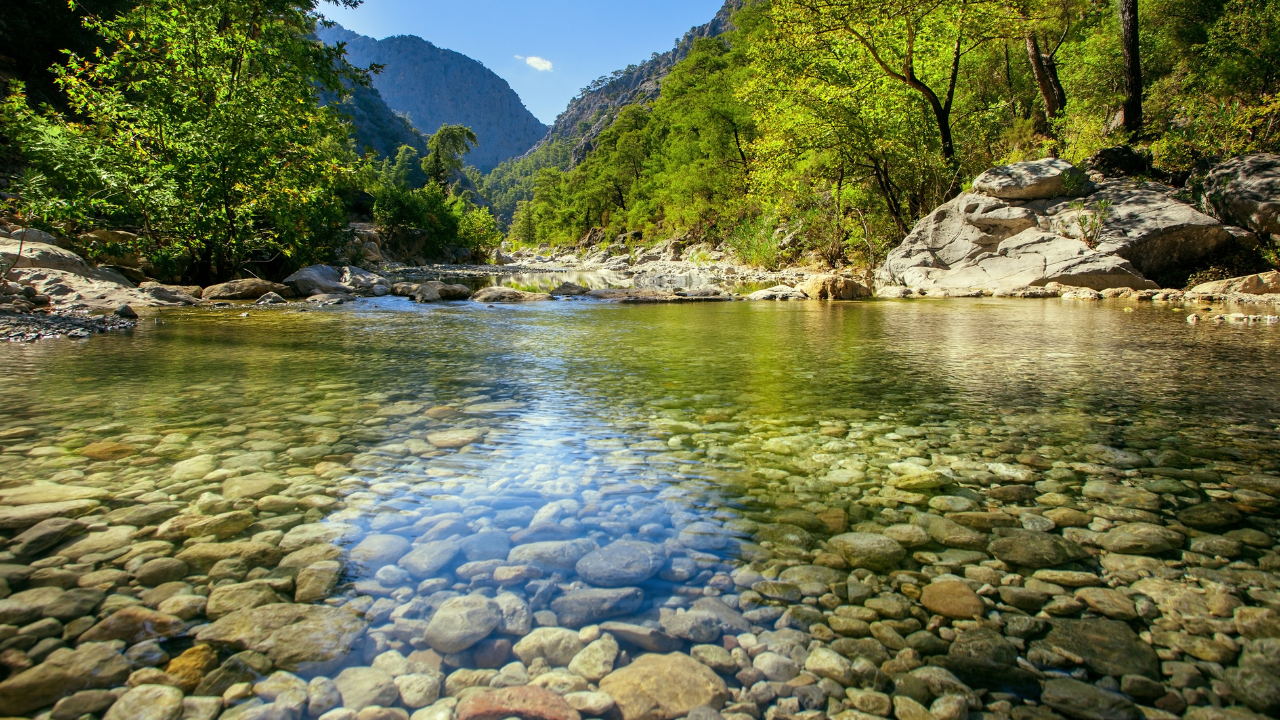
Physical features are natural features of the Earth.
Good child-friendly examples include:
-
rivers
-
oceans
-
seas
-
mountains
-
hills
-
beaches
-
cliffs
-
forests
-
deserts
-
valleys
-
lakes
-
volcanoes
-
weather
-
climate
You can explain that physical geography is not only about what we can see.
It can also be about natural processes.
For example:
A river changes the land as it flows.
Waves shape the coastline.
Weather affects what a place is like.
Volcanoes can create new land.
Climate affects what can grow in a place.
Children do not need all the technical detail straight away, but it helps them understand that physical geography is about the natural world and how it changes.
Give clear examples of human features
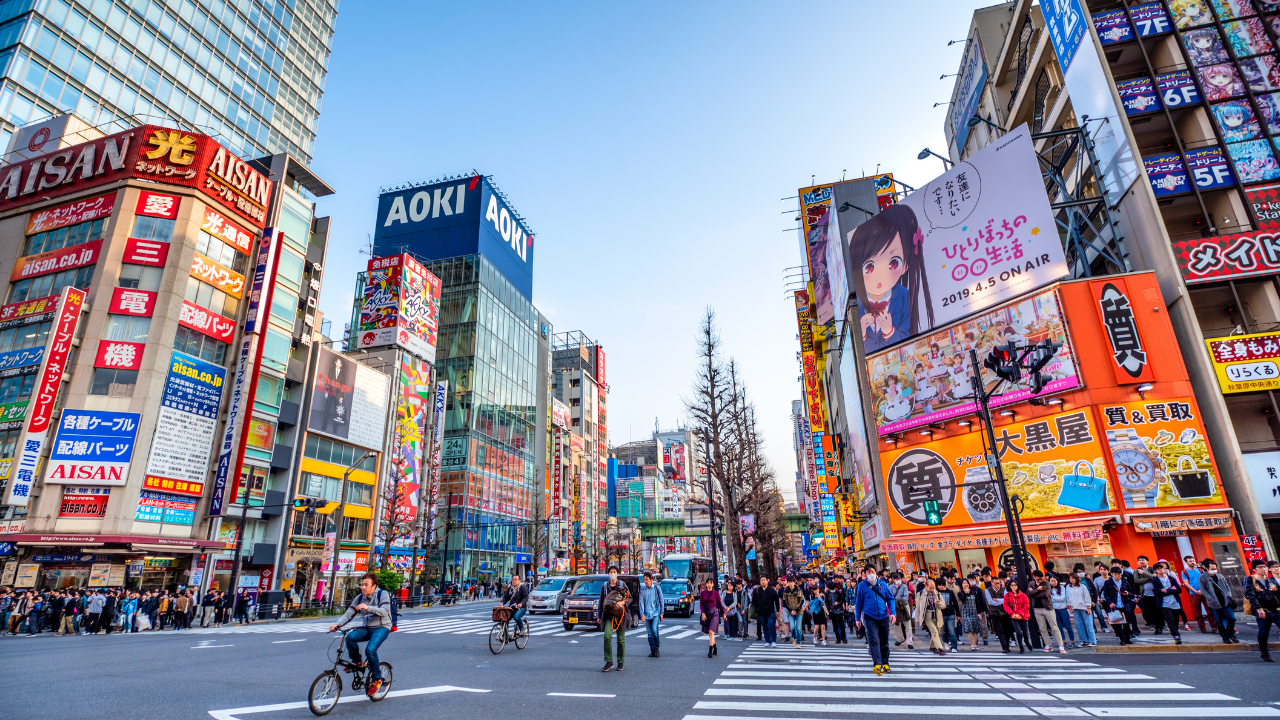
Human features are things made, used or changed by people.
Good child-friendly examples include:
-
houses
-
schools
-
roads
-
bridges
-
shops
-
farms
-
factories
-
offices
-
railways
-
airports
-
harbours
-
playgrounds
-
villages
-
towns
-
cities
You can explain that human geography is also about how people live and use places.
That includes things like:
-
where people build homes
-
how people travel
-
where people work
-
how land is used
-
where shops and services are
-
how settlements grow
-
how people change the environment
For younger children, keep the focus on visible features first.
For older children, you can start talking more about land use, settlements, transport, trade and population.
Use photos for sorting
Photo sorting is one of the easiest ways to teach this.
Show children a range of photos and ask them to sort them into two groups:
Human geography
Physical geography
Use clear examples first.
Physical examples might include:
-
a mountain
-
a river
-
a beach
-
a forest
-
a desert
Human examples might include:
-
a bridge
-
a road
-
a school
-
a shop
-
a city street
Then use trickier photos.
For example:
-
a farm
-
a harbour
-
a park
-
a beach with a pier
-
a river with a bridge
-
a village near mountains
These are better for discussion because they show that places often include both human and physical features.
That’s exactly what children need to notice.
Show that one place can have both
This is the key teaching point.
Most real places are not only human or only physical.
They’re usually a mixture.
Take a seaside town.
Physical features might include:
-
the sea
-
the beach
-
cliffs
-
rocks
-
wind
-
waves
Human features might include:
-
hotels
-
roads
-
shops
-
sea walls
-
piers
-
cafés
-
car parks
Both types of geography are in the same place.
That helps children understand that human and physical geography are not two separate worlds. They affect each other.
People build near rivers, coasts, roads and flat land. Weather and landscape affect how people live. People also change places by building, farming, travelling and using resources.
That’s the bigger idea.
Use the local area
Local geography is brilliant for this.
Children often understand concepts better when they can connect them to places they know.
Walk around the school grounds or look at photos of the local area.
Ask children to spot:
-
one physical feature
-
one human feature
-
one place where people have changed the environment
-
one feature that helps people live, travel or work
-
one natural feature that affects the area
For example, near a school, children might see roads, houses, shops, traffic lights and school buildings. Those are human features.
They might also see trees, grass, rain, soil, a stream or a hill. Those are physical features.
This makes geography feel real.
It’s not just something in an atlas. It’s outside the classroom door.
Try a simple “human or physical?” activity
Give children a list of features.
Ask them to sort each one.
For example:
-
river
-
bridge
-
mountain
-
road
-
beach
-
school
-
forest
-
shop
-
farm
-
lake
-
playground
-
harbour
Then talk through the answers.
Some will be easy.
Some will lead to discussion.
A river is physical.
A bridge is human.
A mountain is physical.
A school is human.
But farm is interesting.
The land itself is physical, but the farm as a place for growing food, keeping animals and using buildings is human geography because people are using and changing the land.
That kind of discussion is useful.
It shows children that geography is about thinking, not just ticking boxes.
Watch out for common misconceptions
Children often develop understandable misconceptions.
They might think:
-
all green things are physical
-
all outdoor things are physical
-
all buildings are human, but farms are physical
-
parks are only physical because they have grass and trees
-
beaches are only physical, even if they have piers and cafés
-
human geography only means people, not the things people build or change
These are not silly mistakes.
They usually happen because children are trying to make simple rules.
The job is to refine the rule.
You might say:
“Grass and trees are physical features, but the playground and paths were made by people.”
Or:
“The beach is physical, but the pier is human.”
Or:
“The farm uses natural land, but people have changed it to grow food, so it links to human geography too.”
That careful language helps.
Link human and physical geography
Once children can sort examples, start showing the connection between them.
For example:
A river is a physical feature.
People might build a town near the river.
They might use the river for water, transport or tourism.
They might build bridges over it.
They might build flood defences beside it.
Now children can see both sides.
The physical feature affects what people do.
People then change the place.
You can do the same with:
-
mountains and tourism
-
coasts and seaside towns
-
forests and logging
-
flat land and farming
-
deserts and water supply
-
harbours and trade
-
roads and settlements
This is where geography becomes more meaningful.
Children start to see how people and places affect each other.
Keep the language consistent
It helps to use the same language regularly.
You might say:
Physical geography: natural features and processes.
Human geography: people, places and how people use or change the land.
For younger children, simplify it:
Physical means natural.
Human means made or changed by people.
Then keep using those words.
Children need repetition.
If the language changes every time, the idea becomes harder to remember.
Use maps and aerial photos
Maps and aerial photos are useful because they help children see patterns from above.
For example, an aerial photo of a town might show:
-
roads
-
houses
-
shops
-
parks
-
rivers
-
fields
-
railway lines
-
coastlines
Ask children to label human and physical features.
They might notice that houses are built near roads. A town may grow beside a river. Fields may surround a village. A coastline may shape where people build.
This helps children move from naming features to understanding places.
That’s a big step in geography.
What adults can say to help
Good questions make this topic much easier.
Try asking:
-
“What can you see that’s natural?”
-
“What has been built by people?”
-
“Has this place been changed by people?”
-
“Which features help people live here?”
-
“Which features affect how people use this place?”
-
“Can one place have both human and physical features?”
-
“How do the human and physical features connect?”
These questions work at home and in school.
They also help children explain their thinking, which is often where the real understanding appears.
What to avoid
A few things can make this topic harder than it needs to be.
Try to avoid:
-
only giving children definitions to memorise
-
using examples without pictures
-
pretending every feature fits neatly into one box
-
skipping local examples
-
correcting without explaining the misconception
-
giving too many technical terms too soon
-
treating human and physical geography as completely separate
Children need examples, visuals and discussion.
They need to see that geography is about real places, not just vocabulary.
A simple activity for home or school
Choose one photo of a place.
It could be:
-
a beach
-
a park
-
a city street
-
a farm
-
a river
-
a village
-
a mountain area
-
a seaside town
Ask children to make two lists.
Physical features
Human features
Then ask:
“How do these features connect?”
For example, in a seaside town, physical features might include the beach, sea and cliffs.
Human features might include shops, roads, cafés and sea walls.
Then talk about why people might build shops near the beach.
That’s geography.
Children are not just naming features. They’re thinking about how places work.
Final thoughts
Human and physical geography becomes much easier when children can see it in real places.
Start with a simple explanation.
Physical geography is about the natural world. Human geography is about people and the places they build or change.
Then use photos, maps, local examples and sorting activities.
Most importantly, show children that many places have both. A river can be a physical feature, while a bridge across it is a human feature. A beach can be physical, while a pier or café is human. A park can have natural features and things people have built.
That’s the understanding we want children to build.
Not just a definition.
A way of looking at the world.
Silly School Education has geography songs and videos designed to help children remember key geography vocabulary and understand the world around them. They work best alongside maps, photos, discussion, local examples and regular chances to use geographical language.
Frequently asked questions
What’s the difference between human and physical geography?
Physical geography is about the natural world, such as rivers, mountains, beaches, forests, weather and climate. Human geography is about people and the places they build, use or change, such as roads, houses, farms, shops and cities.
How do you explain human geography to a child?
A simple explanation is: human geography is about people and the places people create or change. Examples include homes, schools, roads, bridges, shops, farms, towns and cities.
How do you explain physical geography to a child?
A simple explanation is: physical geography is about natural features and processes on Earth. Examples include rivers, mountains, oceans, forests, beaches, weather and climate.
Can a place have both human and physical features?
Yes. Most real places have both. A beach might have sand and sea, which are physical features, and cafés, piers or sea walls, which are human features.
Is a farm human or physical geography?
A farm links to both, but it’s usually taught as human geography because people use and change the land to grow food, keep animals and produce resources.
What’s an easy activity for teaching human and physical geography?
Show children a photo of a real place and ask them to sort what they can see into human features and physical features. Then ask how the features connect.