
Music has always been part of how children learn.
Long before children can explain a grammar rule, many can remember a rhyme. Before they can read fluently, they can often join in with a chorus. Before they feel confident answering a question on their own, they might happily sing along with the rest of the class.
That tells us something.
Music gives children another way into learning.
Not because songs magically replace good teaching.
They don’t.
But a well-chosen educational song can give children a hook. It can make an idea easier to hear, easier to repeat and easier to come back to later.
For teachers and parents, that matters. Children need repetition, confidence and engagement. Music can help with all three.
The important bit is using songs with purpose.
A song should not just fill time. It should help children remember something, practise something, settle into a routine, or feel confident enough to join in.
That’s where music becomes genuinely useful in education.
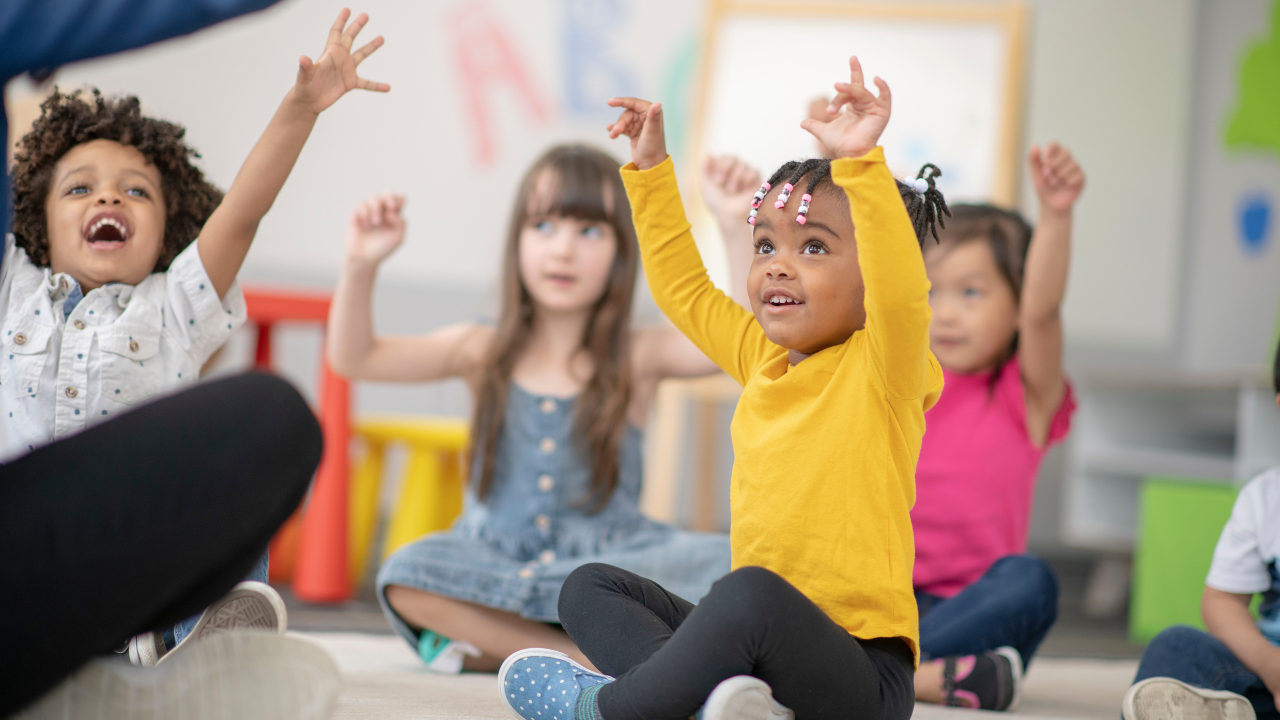
Quick answer
Music matters in education because songs can help children remember key ideas, hear language patterns, practise vocabulary, build confidence, join in with others and revisit learning in a low-pressure way. Educational songs work best when they support clear teaching, rather than replacing it. The song gives children a memorable hook, and the adult helps them understand and use the idea properly.
1. Educational songs make learning more memorable
Children often remember songs because songs have structure.
There’s rhythm. There’s repetition. There’s usually a clear beginning and end. Sometimes there’s rhyme. Sometimes there’s a chorus that comes back again and again.
That structure helps children meet the same idea several times without it feeling like another explanation or another worksheet.
Educational songs can be especially useful for learning things like:
-
phonics sounds
-
number bonds
-
times tables
-
spelling patterns
-
grammar terms
-
science vocabulary
-
geography facts
-
classroom routines
A child might forget a spoken explanation after hearing it once.
But if that explanation is linked to a simple rhythm, repeated phrase or catchy chorus, they may be able to sing it back later.
That does not mean the song has taught everything by itself.
It means the song has created a memory cue.
That cue matters. It gives the child something to hold onto.
Then the teacher or parent can build from there.
For example, a child might remember a line from a song about adjectives. That line can help them recall that adjectives describe nouns. But they still need real sentence practice, examples, discussion and chances to use adjectives in their own writing.
The song opens the door.
The teaching takes them through it.
2. Music can support language and vocabulary
Music and language sit very close together in early learning.
Children hear patterns in speech. They notice repeated sounds. They play with rhyme. They clap syllables. They copy phrases. They join in with repeated lines.
That links naturally to language development.
Songs can help children practise:
-
new vocabulary
-
pronunciation
-
rhyme
-
syllables
-
phonics sounds
-
sentence patterns
-
listening carefully
-
joining in with spoken language
This is why songs are so useful in Early Years, Reception, kindergarten and lower primary classrooms.
A phonics song might repeat one sound in lots of different words.
A grammar song might help children hear how a word works in a sentence.
A science song might introduce new vocabulary before a topic lesson.
A geography song might help children remember continent names, country names or key physical features.
Songs can also be helpful for children learning English as an additional language. The repetition gives them repeated exposure to words and phrases without putting them on the spot straight away.
But the song needs a clear job.
If it tries to teach too much at once, children may enjoy it but miss the learning.
The best educational songs usually focus on one main thing.
One sound.
One pattern.
One concept.
One routine.
That makes the learning easier to notice.
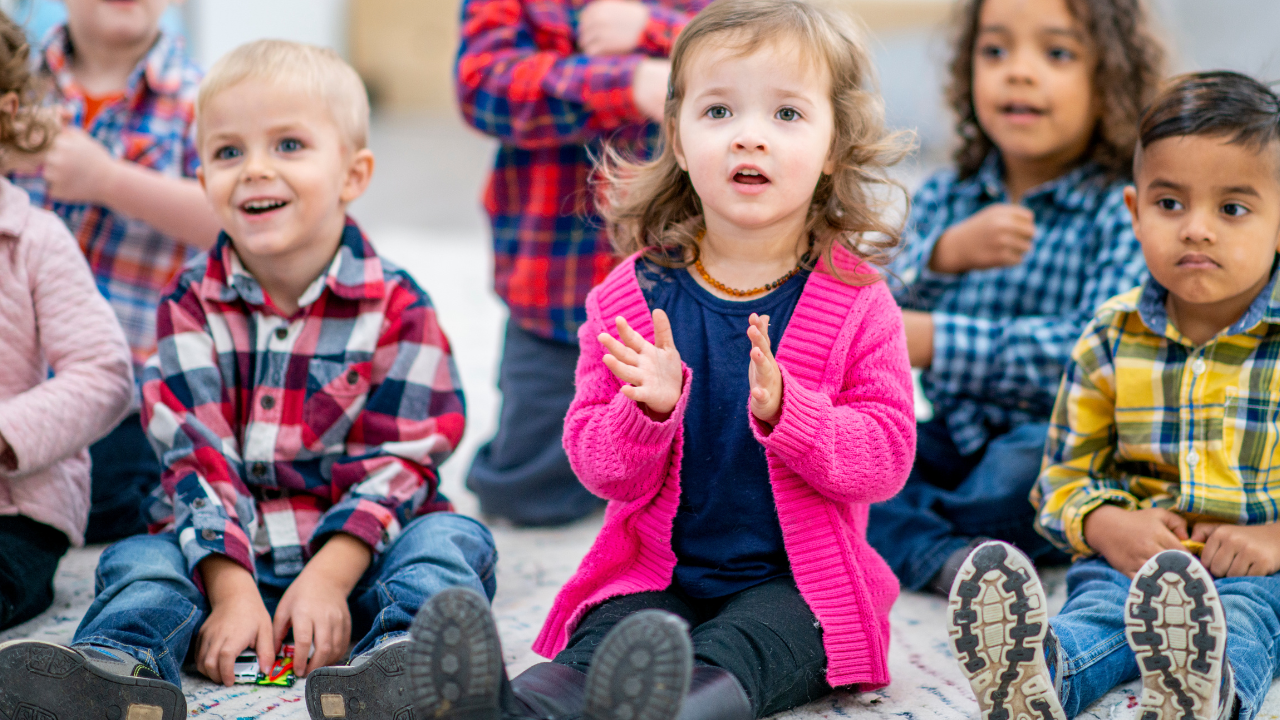
3. Songs make repetition feel less boring
Repetition is a huge part of learning.
Children need to meet an idea more than once before it becomes secure. They need to hear it, say it, use it, revisit it and apply it.
That’s true in phonics.
It’s true in maths.
It’s true in vocabulary, grammar, science, geography and classroom routines.
The problem is that repetition can quickly feel dull if it always looks the same.
Music helps because it makes repetition feel more natural.
A chorus can repeat a key idea several times without children feeling like they are being drilled. A rhythm can help them practise a sequence. A silly line can make something stick because it gives children a reason to smile.
This is where educational songs can be really useful in the classroom.
You might use a song:
-
at the start of a lesson
-
after direct teaching
-
during a quick recap
-
as a transition
-
as part of an intervention
-
before independent work
-
the next day as retrieval practice
You do not always need to play the whole song.
Sometimes one line is enough.
A teacher might say:
“What did the noun song remind us?”
Or:
“Can anyone remember the times-table line?”
Or:
“What did the continents song help us list?”
Suddenly the class has a way back into the learning.
That is the power of a good learning song.
It gives children a route back.
4. Music can build confidence and participation
Not every child wants to put their hand up.
Some children need more thinking time. Some are nervous about getting things wrong. Some understand more than they are ready to say on their own.
Singing together can lower that barrier.
When children join in with a group song, they are taking part without being singled out. They can practise words, sounds and ideas as part of the class.
That can be especially helpful for children who are:
-
quieter
-
less confident
-
still developing spoken language
-
learning English as an additional language
-
worried about making mistakes
-
not yet ready to answer alone
Music gives children small moments of success.
They can remember a line.
Clap a rhythm.
Join in with an action.
Sing the final word.
Spot the repeated phrase.
Those small wins matter.
Confidence is often built through repeated experiences of:
I can do this.
Educational songs can also help children who find reading difficult. They may not be able to decode every word on a page yet, but they can still access some of the learning through listening, rhythm and repetition.
That does not remove the need for reading instruction.
It simply gives another way in.
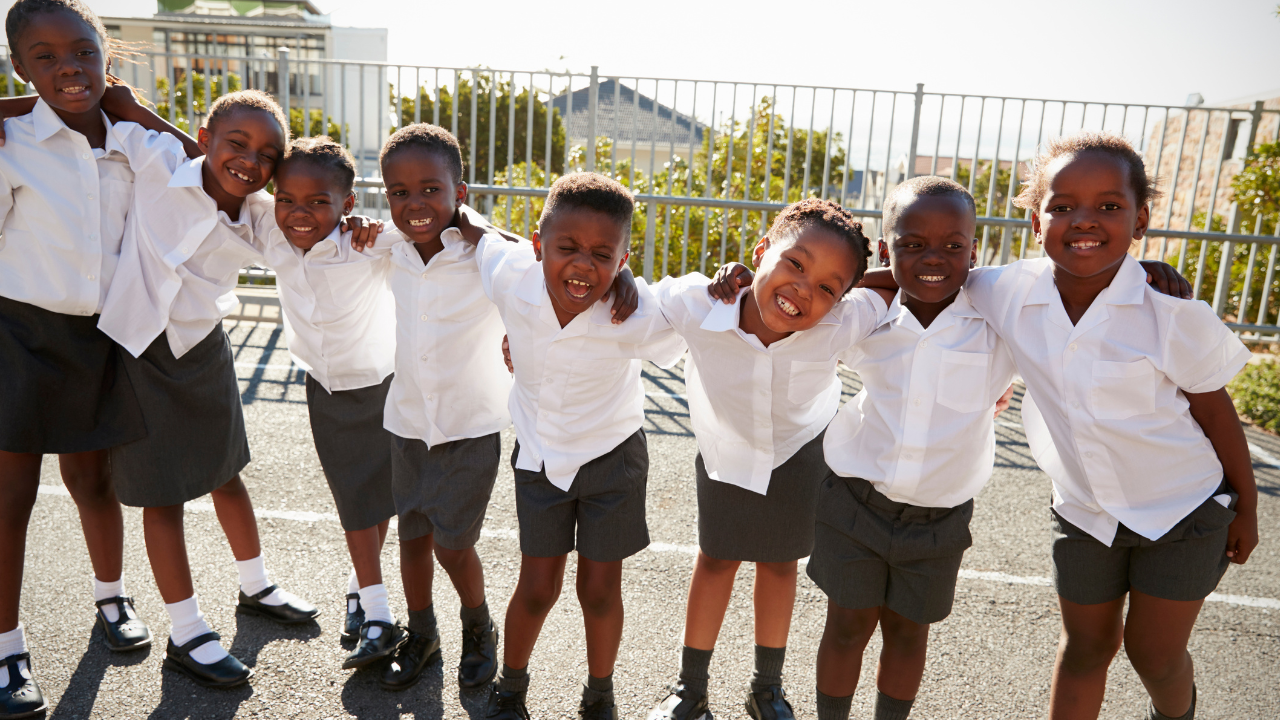
5. Music helps children learn together
Music is naturally social.
Children listen together. Sing together. Move together. Laugh together. Sometimes they perform together.
That shared experience can be valuable in a classroom.
Through music, children practise skills such as:
-
listening to others
-
waiting for a cue
-
keeping a shared rhythm
-
joining in at the right time
-
working as a group
-
recovering from mistakes
-
respecting different contributions
These are not just music skills.
They are learning skills.
A class song can create a sense of belonging. A call-and-response chant can help children listen carefully. A group performance can teach children that their part matters, but so does everyone else’s.
This is one reason music should not just be seen as a treat or an extra activity.
Used well, it can support the whole classroom culture.
It can help children feel part of the group.
And when children feel part of the group, they are often more willing to join in.
Music can support routines and classroom energy
Music can change the feel of a room very quickly.
A lively song can wake children up.
A calm song can help them settle.
A familiar tune can make a transition feel smoother.
This is useful because classrooms are full of little changes.
Children move from carpet time to tables. From playtime to learning. From one subject to another. From high energy to quiet focus.
Songs can help signal those changes.
For example:
-
a tidy-up song can make routines clearer
-
a calming song can help children reset
-
a topic song can build excitement
-
a phonics song can focus attention
-
a goodbye song can end the day positively
But music should be used thoughtfully.
Constant background music can be distracting for some children, especially when they need quiet concentration.
The key is purpose.
Use music when it helps the learning or the routine.
Do not use it just to fill silence.
What teachers and parents should avoid
Educational songs can be powerful when they are used well.
But they are not magic.
Try to avoid:
-
choosing songs that are too fast for children to follow
-
using a song without explaining the concept
-
expecting one song to teach a whole topic
-
playing music over independent work when children need quiet
-
using songs that are catchy but unclear
-
assuming every child learns best through singing
-
replacing explicit teaching with entertainment
-
moving on without checking what children understood
A song should support the learning.
It should not hide the learning.
The best educational songs are clear, focused and easy to return to.
Children should know what they are listening for.
Adults should know why they are using it.

A simple way to use educational songs in lessons
You do not need a complicated plan.
A simple structure works best.
-
Teach the idea first.
Explain the sound, word, fact or concept clearly.
-
Use the song to practise it.
Let children hear the key idea repeated in a memorable way.
-
Pause and check understanding.
Ask a quick question. Point to a word. Clap a rhythm. Ask children what they noticed.
-
Join in again.
Now the song is not just fun. Children know what they are listening for.
-
Return to it later.
Use one line from the song as a quick recap the next day.
This keeps the teaching at the centre.
The song makes the idea stickier, but the adult still guides the learning.
That is the balance.
How parents can use educational songs at home
Songs can be useful at home too, especially when practice needs to feel lighter.
A parent might use a song to practise:
-
letter sounds
-
tricky words
-
counting
-
times tables
-
number bonds
-
topic vocabulary
-
days of the week
-
months of the year
-
routines like tidying up or getting ready
The key is to keep it low pressure.
You do not need to turn every song into a quiz.
Sometimes children just need to hear it a few times, join in when they can, and slowly build confidence.
After the song, you might ask one simple question:
“What sound did you hear lots of times?”
“What number pattern did you notice?”
“What word can you remember?”
“Can you show me that with your fingers?”
That is enough.
Short, calm and regular is usually better than long and forced.
Final thoughts
Music matters because it gives children another route into learning.
It can help children remember words, hear patterns, practise sounds, build confidence, join in with others and revisit ideas without learning feeling heavy.
It can support language, routines, wellbeing and classroom culture.
But music works best when it is used with intention.
A good educational song does not try to do everything. It takes one idea and makes it easier to remember.
That is why music belongs in primary and elementary education.
Not as a filler.
Not as a gimmick.
As a practical, joyful way to help children connect with learning.
Silly School Education has songs, videos and resources for phonics, grammar, maths, science, geography and more. They are designed for busy teachers and parents who want learning to feel clear, memorable and fun, while still keeping good teaching at the centre.
Frequently asked questions
Why does music help children learn?
Music can help children learn because it gives information rhythm, repetition and pattern. That can make words, sounds, facts and routines easier to remember and revisit.
Can educational songs replace teaching?
No. Educational songs should support teaching, not replace it. Children still need clear explanation, modelling, practice, discussion and feedback.
Are songs useful for phonics?
Yes, songs can be useful for phonics when they focus clearly on sounds, words and patterns. They work best alongside systematic phonics teaching and regular reading practice.
How can teachers use songs in the classroom?
Teachers can use songs for lesson introductions, practice, retrieval, transitions, routines, interventions and topic vocabulary. The key is to use the song for a clear purpose.
Can songs help children who lack confidence?
Yes, songs can help some children join in without being singled out. Singing as part of a group can make practice feel safer and more positive.
Should children listen to music while working?
Sometimes, but not always. Background music can be distracting for some children, especially during reading, writing or tasks that need quiet concentration. Music should be used when it supports the learning or routine.